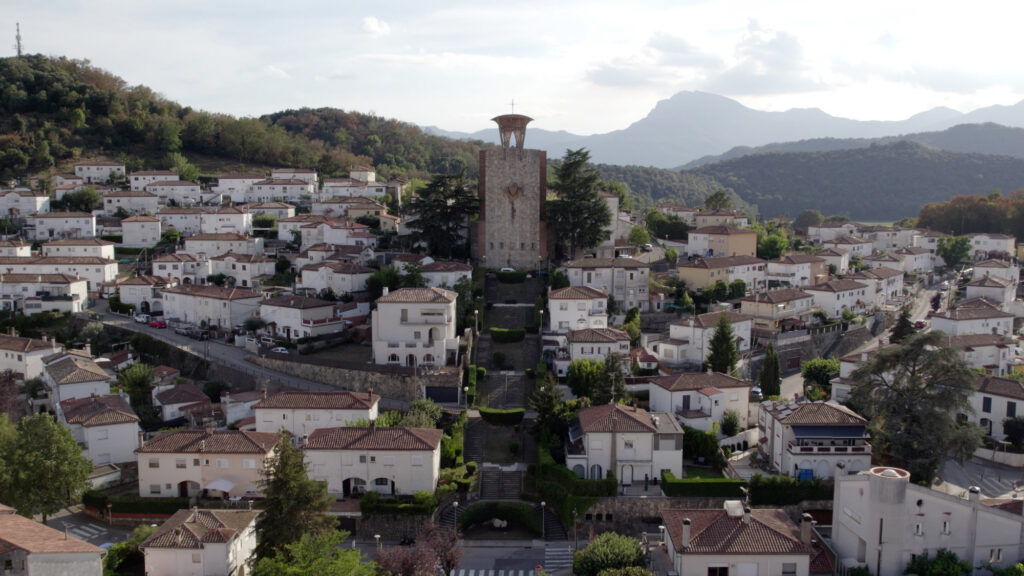
Recently, a neighbor from the Montolivet neighborhood in Olot (a small city in northern Catalonia) reached out to us again. The neighborhood, also known by its original name, Sant Pere Màrtir, is a unique residential area nestled at the foot of the volcano that shares its name. Developed between 1951 and 1956, its homes and public spaces have remained largely unchanged, primarily because it is listed in the Architectural Heritage Inventory of Catalonia.
The message from this neighbor—who was an active participant in the “Rethink Montolivet” 2025 cooperative process—reconnects us with our most genuine community instincts, and we had the opportunity (for the first time in a long time) to support a large-scale bottom-up project. While we are accustomed to designing participatory processes for public space transformation alongside local administrations, launching one hand-in-hand with a neighborhood association was a true exercise in weaving trust and establishing community bonds. It was work rooted in empathy and, truth be told, in love.
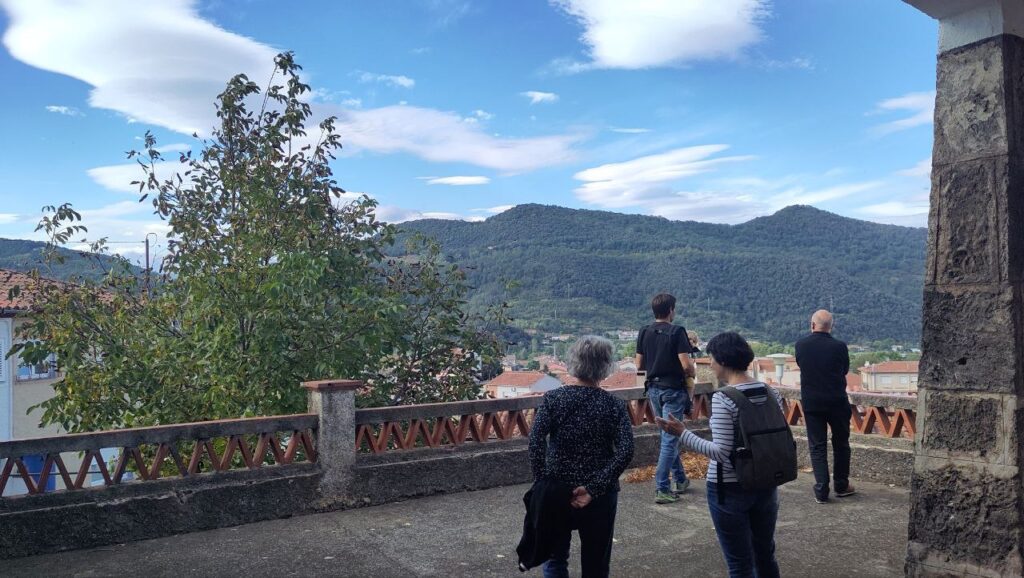
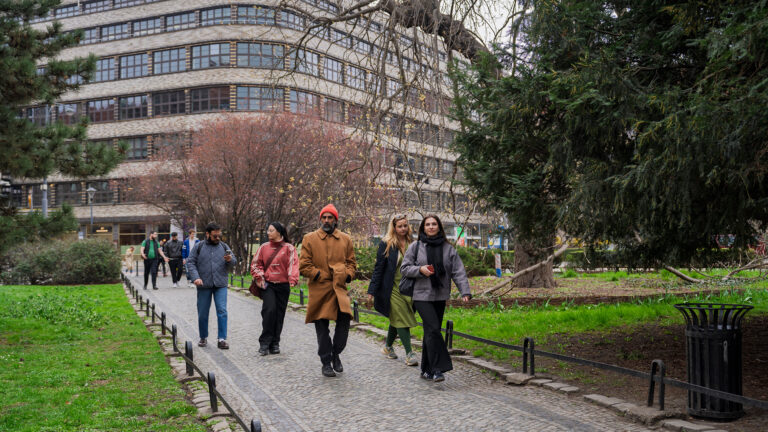
Tell me if it isn’t love for one’s neighborhood to spend an August afternoon showing us the most beautiful corners of Montolivet, pointing out the landscapes peeking between houses, and explaining with all the time and detail in the world the joys and struggles this community has faced in recent years. And tell me if it isn’t love to offer patient, active listening to that story, only then to begin thinking—alongside the residents—about what kind of cooperative process they need at that specific place and moment to rethink their neighborhood collectively.
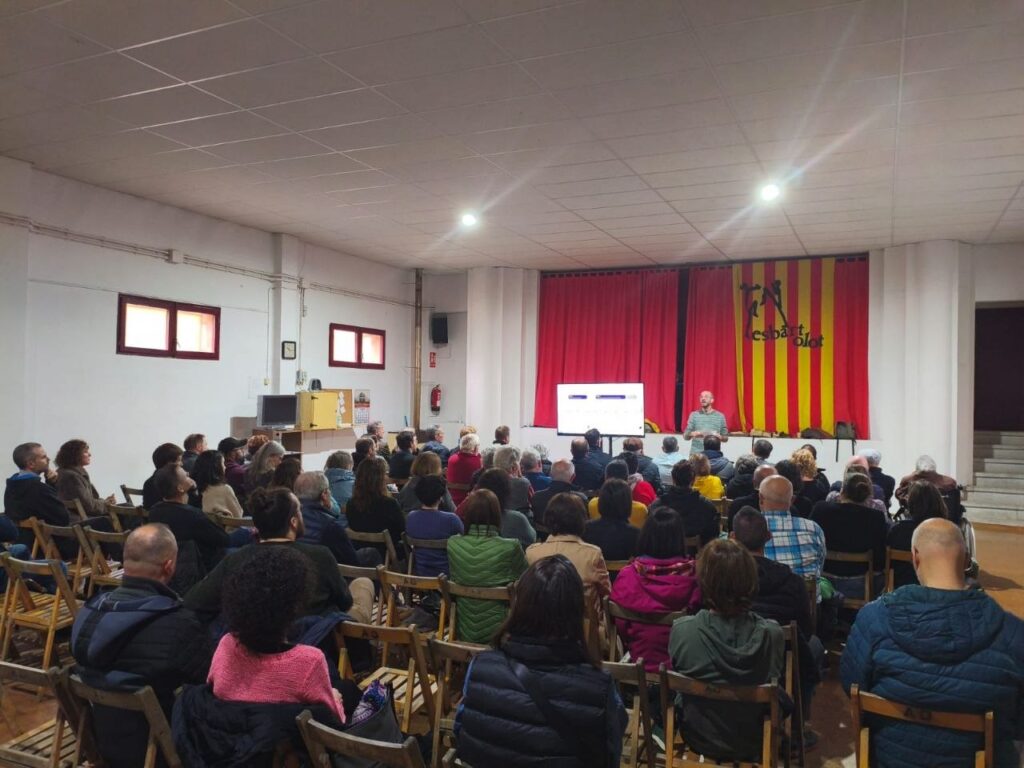
From this careful beginning, a process germinated to participatorily draft the strategic plan for the neighborhood. The work was based on four thematic participatory sessions, each one of them co-designed with neighborhood representatives, focusing on the issues that concerned them most: memory and identity, daily life, sustainability, and economy. By blending the generated content with our technical criteria, we filled the strategic document
with proposals regarding public space, mobility, nature, and community.
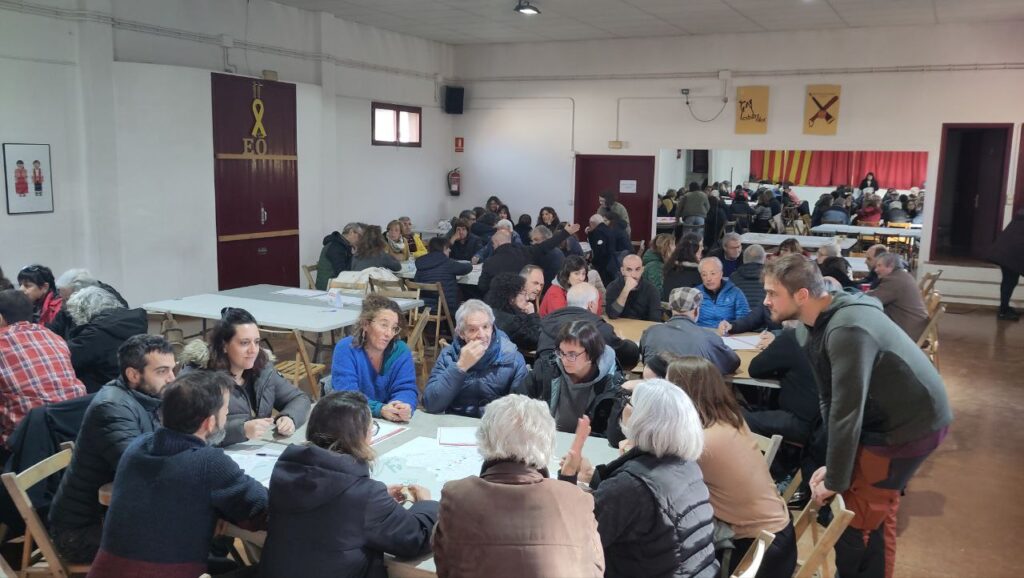
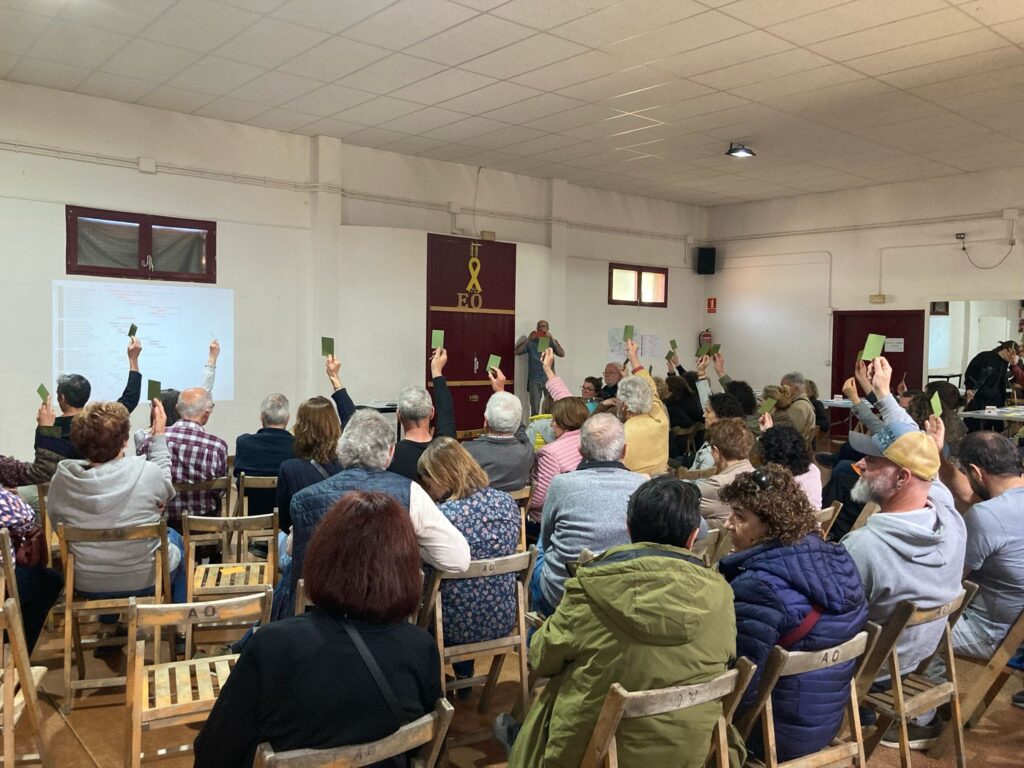
Beyond participatory urban methodologies, the consistency in attendance was remarkable: nearly a hundred people participated in each meeting, representing a neighborhood of about a thousand households (most of them primary residences). This level of engagement is a powerful tool for cooperative work, resulting in a participatory document that is permeable to the needs, reflections, contradictions, and proposals that gradually distilled into the final result. Each chapter of the Rethink Montolivet Strategic Document was built upon the last, setting the stage for the next, accumulating contributions and detailing an action plan for the neighborhood’s transformation in the short, medium, and long term.
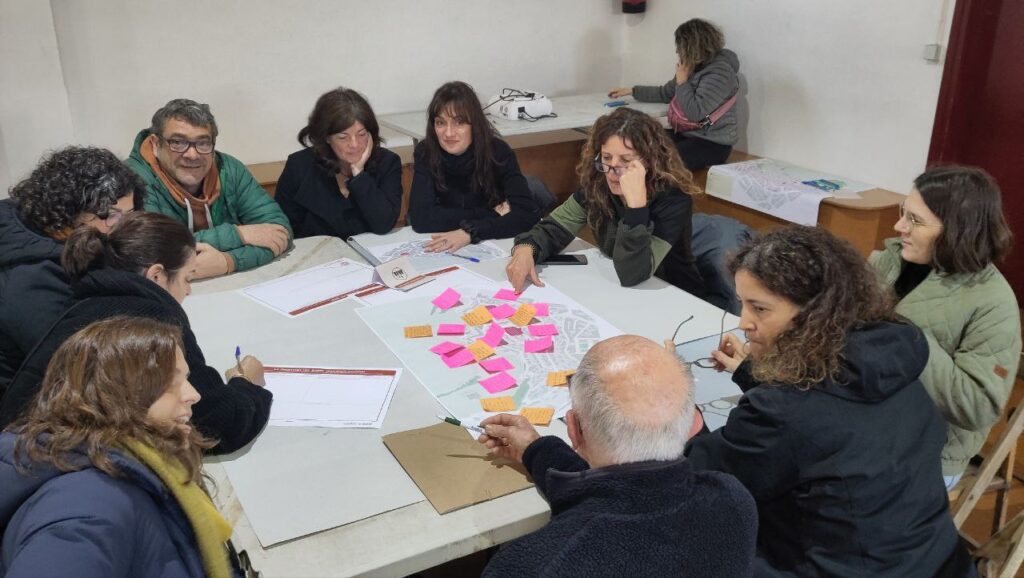
If the final collective document is valuable, the community network strengthened and expanded during the process is even more so. Strengthening bonds and building trust is rarely possible without an intense emotional component from everyone involved: the residents, the professionals accompanying them, and the administration representatives, who must provide technical criteria, clarify the limits of proposals, and commit to the collective energy.
This neighbor contacted us again because, following the “Rethink Montolivet” process, the administration and the residents have jointly agreed on a mutual commitment to improve the neighborhood. They are ready to invest money and effort into the proposals developed collectively in 2025, and they would like us to continue accompanying them in this new phase. We are delighted to do so. This mutual trust—knowing we are capable and wanting to keep driving this project together—is what we experience as a small act of love. We believe it doesn’t stem from any magical or lofty methodology, but from attentive listening, care, and calm from minute zero. It really feels like all this process was about building a “we” from an “us” and a “them”.