Learn about the different projects that Placemaking Europe promotes or is involved in
Together, we’re shaping the future of public spaces and creating lasting change. Explore, contribute, and grow with us!
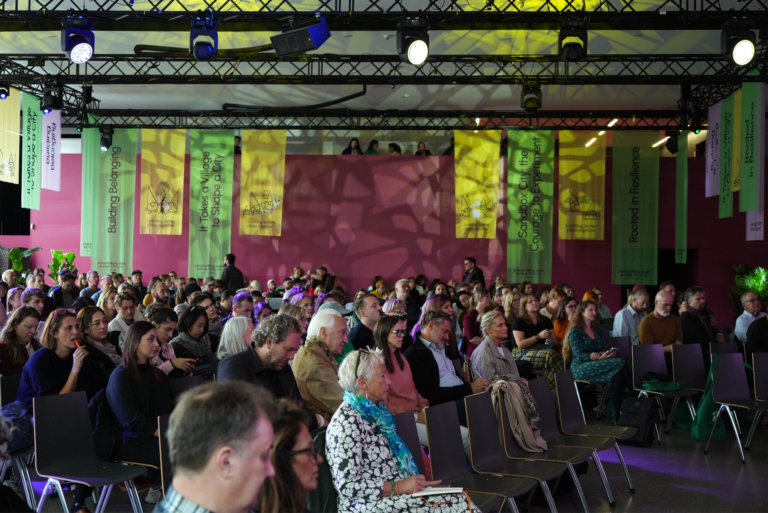
Placemaking Week Europe is Europe's largest placemaking festival with over 700 practitioners reunited to share knowledge, learn and network.
The Placemaking Europe Toolbox is a collection of curated placemaking resources for all to access, learn from, and practice.
22nd – 25th, September 2026
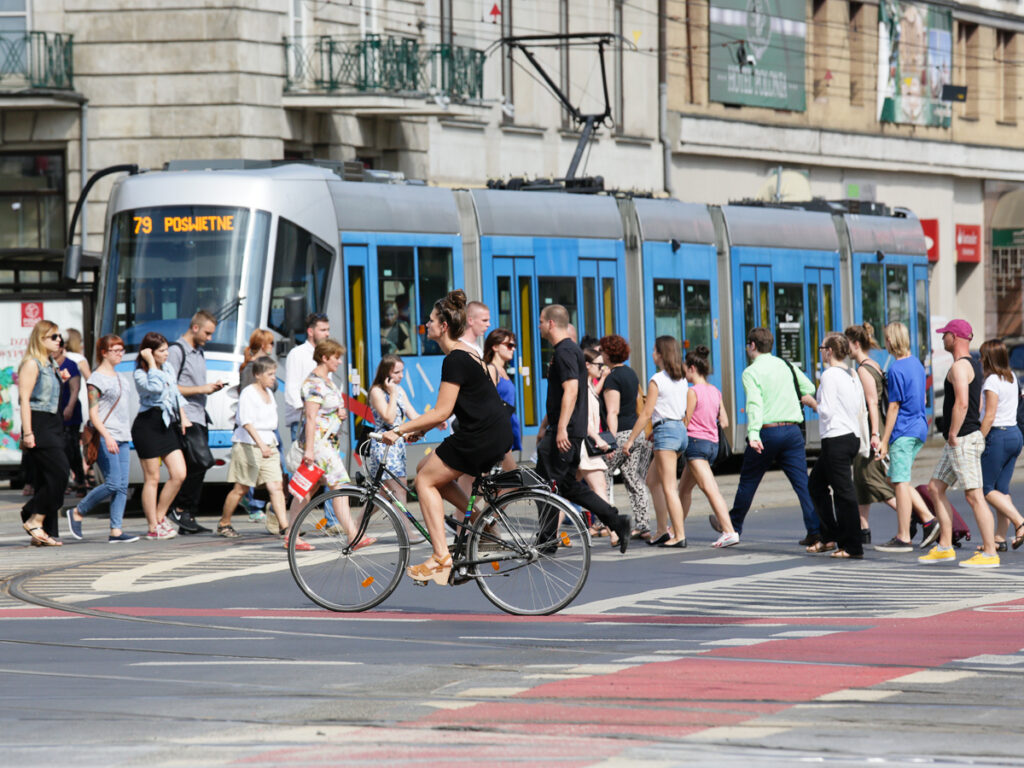
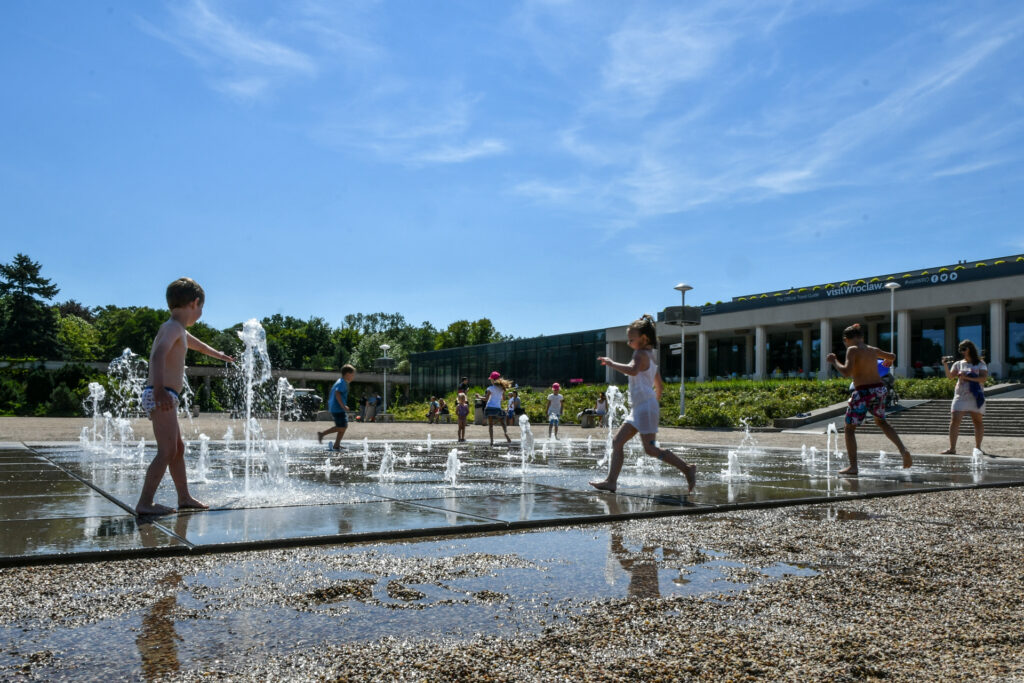
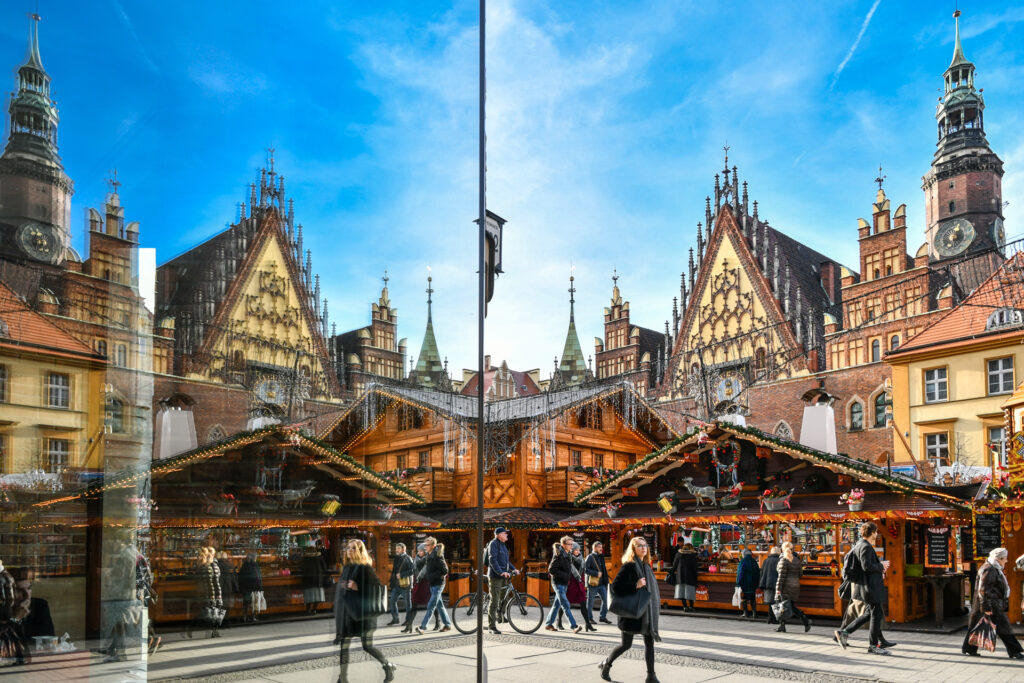
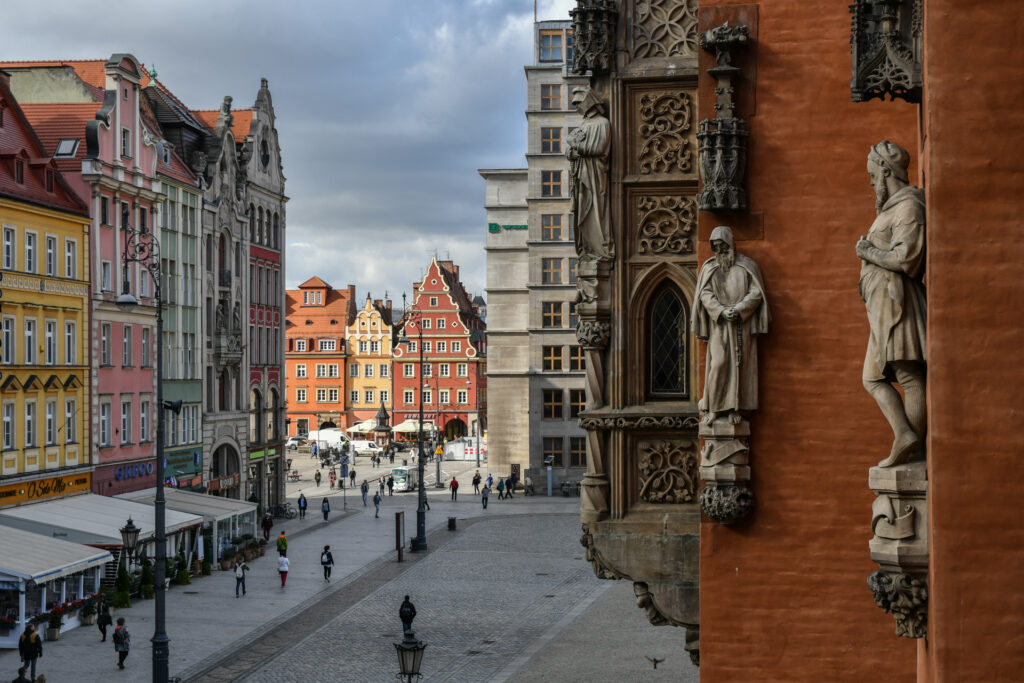
This year, Placemaking Week Europe arrives in Wrocław – a city where history and future meet, and where the energy of its residents drives every street, square, and public space. From newcomers to long-time inhabitants, Wrocław thrives on creativity, collaboration, and the constant flow of ideas that shape it into a city alive and evolving – making it the perfect canvas for Placemaking Week Europe.
Wrocław’s identity has been shaped over centuries of change. Once part of Poland, the Czech Kingdom, Austria, Prussia, and Germany, the city has always adapted while retaining its character. Its over 100 bridges, spanning twelve islands on the Oder River (earning it the nickname “the Polish Venice”), are more than infrastructure – they are symbols of connection, perseverance, and continuity. Walk through Wrocław and its layers unfold naturally: Gothic architecture in St. Elizabeth’s Church, Renaissance and baroque details in the Old Town Hall and University Church, modernist post-war housing blocks now revived with murals and community initiatives, and the Centennial Hall (Hala Stulecia) – once the largest reinforced concrete structure in the world – standing as a bold statement of innovation.
These layers coexist, creating a city where past and future meet at every corner. Here, you can trace history while standing in front of open-air neon installations – remnants of the 1950s and 60s attempts to counteract post-war greyness with light and optimism. You can eat at a Bar Mleczny (Milk Bar), once a workers’ and students’ canteen and still today a place where generations gather over affordable meals. You might come across one of the cultural containers introduced during Wrocław’s year as European Capital of Culture in 2016 – small but lasting reminders that culture belongs in everyday spaces. Or you can pause at Żyjnia, an urban “salon” inspired by the idea of a public sanatorium – a place designed for rest, conversation, and openness, accessible to all.
But the vibrancy of the city doesn’t come from what the facilities provide – it is the energy of people that Wrocław is built on. Its residents form the backbone, and new arrivals continuously infuse it with fresh ideas, ambitions, and creativity. With over 106,000 students across 29 universities and big companies as well as dozens of start-ups setting up, young talent flows into the city, shaping neighborhoods, enriching cultural life, and driving innovation. The city understands its role in this movement. It remembers what it once was – a place described in post-war times as “a city with no people, for people with no city.” That memory still lingers, not as loss, but as an ethic: whoever arrives with the will to belong can become part of Wrocław’s story. The city opens its arms and nurtures this energy through spaces and opportunities – through community farms like Swojczyce City Farm, where former industrial land becomes shared ground, and cultural hubs such as the Czasoprzestrzen tram depot, where ideas, art, and enterprise collide. Wrocław takes pride in constantly unfolding new stories, evolving with the times, and welcoming everyone who chooses to contribute and shape its identity.
And history clearly shows that Wrocław thrives when people move together. When the Central European flood of 1997 submerged large parts of the city, it became one of the defining moments in Wrocław’s recent history. Residents mobilised quickly through local networks to protect homes, support one another, and later rebuild damaged areas. The disaster did not weaken the city’s social fabric – it revealed its strength and the community’s capacity to respond collectively in times of crisis. In 2022, the city over the course of a few weeks welcomed over 150,000 Ukrainian refugees, relying very strongly on NGOs, volunteer groups, and civic networks to provide housing, jobs, and social integration, but most importantly – they helped create a sense of stability and belonging for those arriving under extremely difficult circumstances.
Wrocław’s approach has proved itself over time – resilience here is built through collective effort. When residents, institutions, and local networks act together, the city is able not only to respond to challenges, but to adapt, recover, and continue moving forward. And as you stroll through the Passage of Dialogue – a social service centre located in an underground tunnel in the very heart of the city – you are reminded that collaboration and mutual support are not exceptional responses in Wrocław, but everyday practice.
But Wrocław is also as playful as it is resilient. Its over 1,000 bronze gnomes – scattered across streets, parks, and squares – trace back to the anti-communist Orange Alternative movement in the 1980s. Today, they transform public spaces into stories, games, and adventures: spotting the baker gnome outside a bakery or a reading gnome at a library connects residents and visitors to history and to each other.
Rynek, the medieval market square, acts as a living stage for social life. Daily activities – from cafés and – festivals to protests and performances – bring together Wrocław’s people in public space. The city embraces experimentation, creating places where interaction, play, and creativity thrive and supports initiatives coming from the residents – such as student concerts in old tram depots, city games in Biskupin-Sępolno neighbourhood, dancing parties in city squares or youth-led escape rooms being created in local community centres. Wrocław shows how small, experimental actions can transform a neighbourhood and build connections. The city also supports this grassroots energy through urban transformations, such as opening riverbanks to pedestrians and cyclists and re-greening Nowy Targ Square, a formerly concrete-heavy central square now being transformed step by step into a green oasis through co-creation with residents.
Wrocław is not without its challenges. Historical upheavals have left traces in the city’s social fabric, and some residents remain cautious about experimentation and change. A visible car-oriented culture, concrete-heavy developments from past planning, pressures from developers, and disparities in access to services across neighborhoods all make urban transformation a complex task.
Yet even in the face of these challenges, Wrocław continues to grow and evolve. Its strength lies in the energy, creativity, and collaboration of its people, who keep testing, learning, and shaping the city together. From bridges to gnomes, from flood recovery to cultural interventions, Wrocław is alive because of its residents. It thrives on curiosity, participation, and collective effort – qualities that make it the perfect host for Placemaking Week Europe. Here, everyone can belong, everyone can contribute, and every street, square, and park tells a story waiting to be shaped.
Wrocław is an open-air public space experiment, enriched with a deep history, blurring the lines between the past, present and future. These dynamic spaces welcome the opportunity to grow further with placemaking.
Wrocław is one of Poland’s best-connected cities, making it reachable from a variety of different places–whether it’s from Amsterdam, Berlin, London or anywhere else in Europe and the world, getting to Wrocław won’t be a hassle.
| Cookie | Duration | Description |
|---|---|---|
| cookielawinfo-checkbox-analytics | 11 months | This cookie is set by GDPR Cookie Consent plugin. The cookie is used to store the user consent for the cookies in the category "Analytics". |
| cookielawinfo-checkbox-functional | 11 months | The cookie is set by GDPR cookie consent to record the user consent for the cookies in the category "Functional". |
| cookielawinfo-checkbox-necessary | 11 months | This cookie is set by GDPR Cookie Consent plugin. The cookies is used to store the user consent for the cookies in the category "Necessary". |
| cookielawinfo-checkbox-others | 11 months | This cookie is set by GDPR Cookie Consent plugin. The cookie is used to store the user consent for the cookies in the category "Other. |
| cookielawinfo-checkbox-performance | 11 months | This cookie is set by GDPR Cookie Consent plugin. The cookie is used to store the user consent for the cookies in the category "Performance". |
| viewed_cookie_policy | 11 months | The cookie is set by the GDPR Cookie Consent plugin and is used to store whether or not user has consented to the use of cookies. It does not store any personal data. |