I visited six or seven times while preparing Placemaking Week Europe. By September, I had familiar routes, places I liked to return to, and people I was happy to see again. Then more than 600 people arrived, and I found myself looking at the city through their eyes, discovering things I had walked past before.
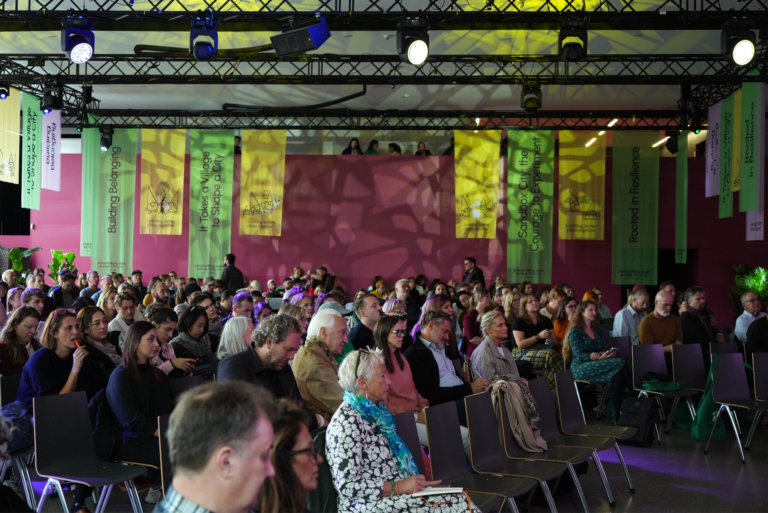
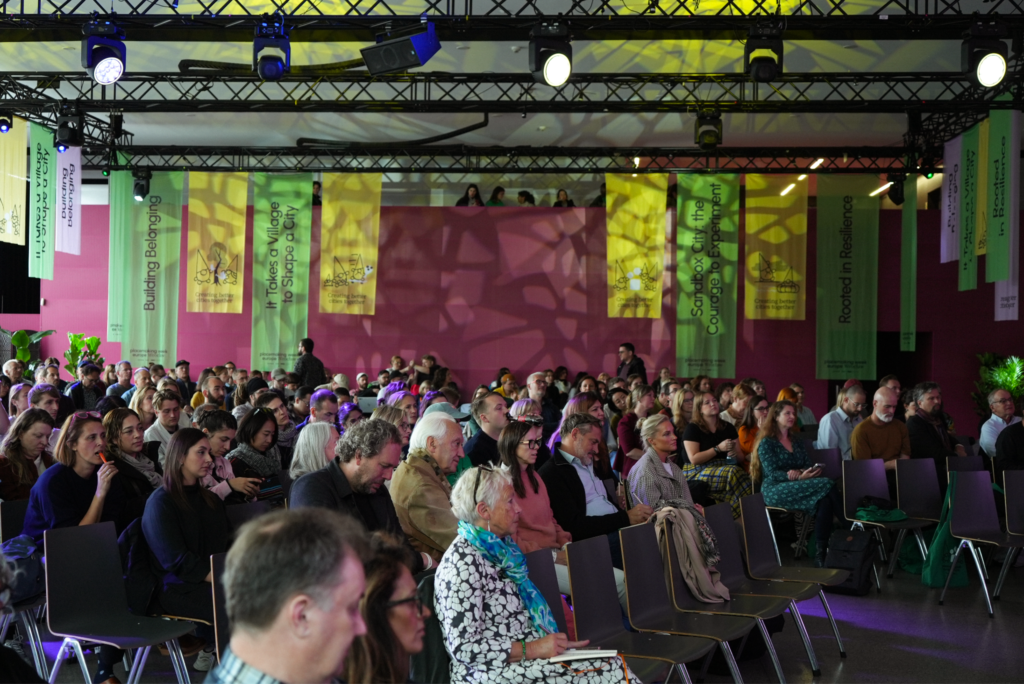
Placemaking Week Europe is our annual gathering for people working on how we live together in cities. Residents, public servants, designers, researchers, artists and organisers bring their experiences and questions. From 22 to 25 September, people with connections to nearly 40 countries across six continents met in Wrocław.
Our work is to create the best framework we can for their conversations. We think about the questions, the places, who gets to speak, and how people might meet someone beyond their usual circle. Then the week takes on a life of its own.
Most of the programme comes through an open call. People propose something they want to share, explore or work through with others. This year, the 137 sessions included 46 workshops, 19 outdoor sessions and 14 sessions involving games and tools. People walked together, tried participatory methods, shared projects and opened up questions they were still struggling with.
I like that willingness to let others into a process. It gives us access to the decisions and adjustments behind a project. It makes space for knowledge gained through living in a neighbourhood, organising with others or keeping something going with very few resources. I heard an astonishing number of new voices this year. I want us to keep making room for them.
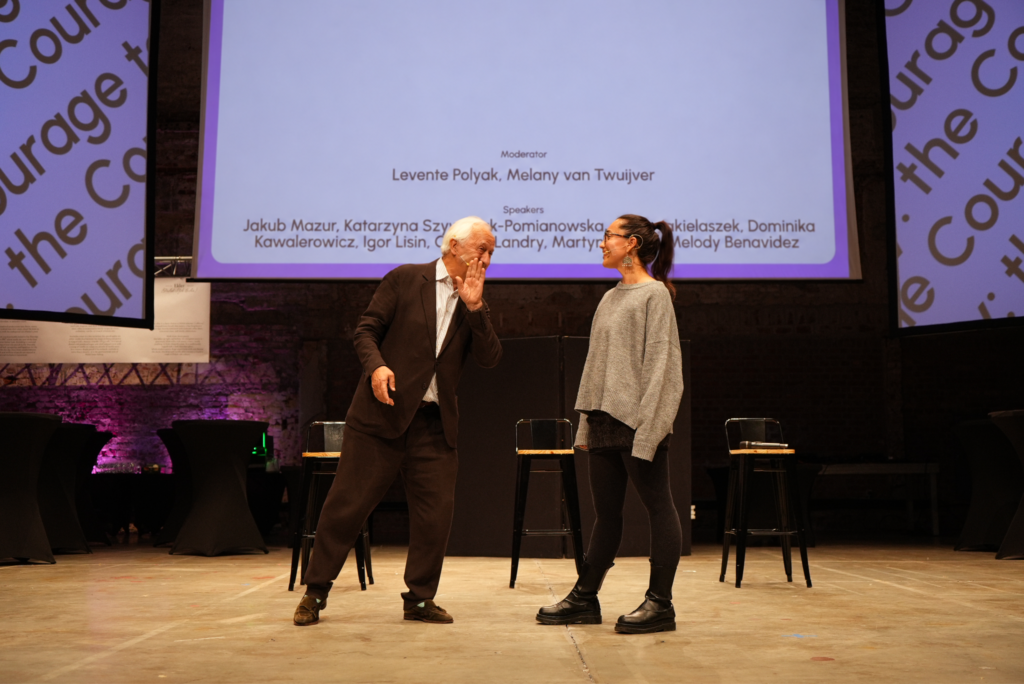
The six plenaries gave the week a shared thread: Arrival, Curiosity, Friction, Trying, Rooting and Belonging. We imagined them as a human journey through a city. I wrote a short spoken-word piece for each conversation, and each was read by a scholarship recipient whose participation was made possible through our grants programme. Hearing the words in their voices became part of the journey. You can read the collection here.
Arrival brought us into Wrocław and into one another’s company. Even after several visits, I recognise the uncertainty of arriving: working out the codes of a place, wondering where you fit, deciding when to speak. A welcome can make that easier. So can someone remembering your name the following morning.
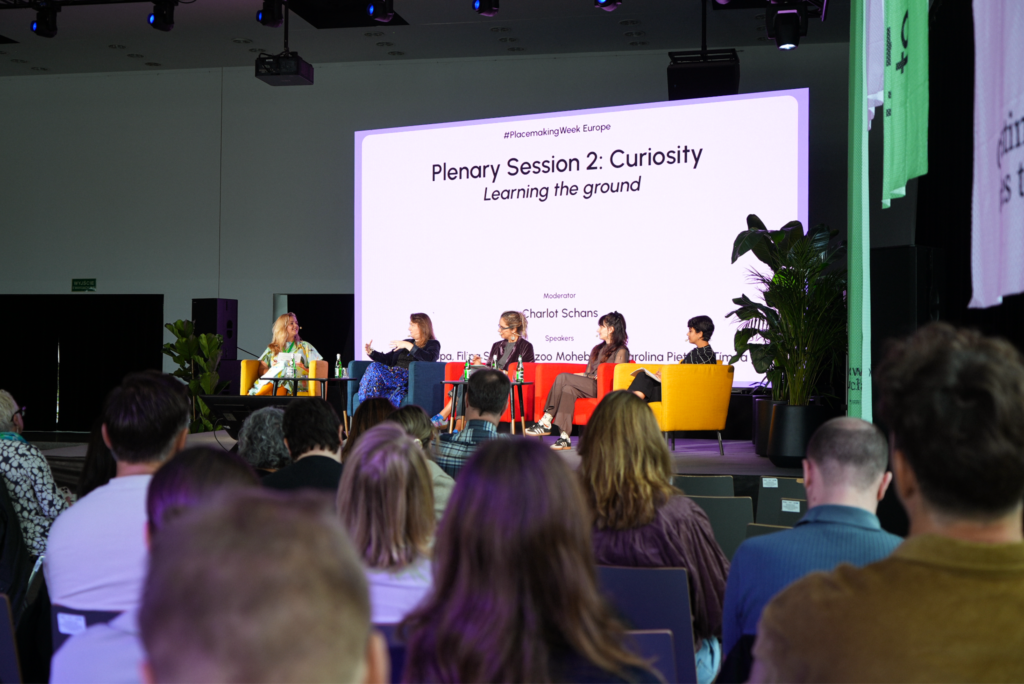
Curiosity asked us to pay attention. Perspectives from cooperative housing, culture and regenerative placemaking opened a conversation about the relationships already present in a place. For me, the question was how to stay curious when experience makes us quick to recognise a problem and propose an answer. I know that impulse in myself. A place deserves enough of our time for it to surprise us.
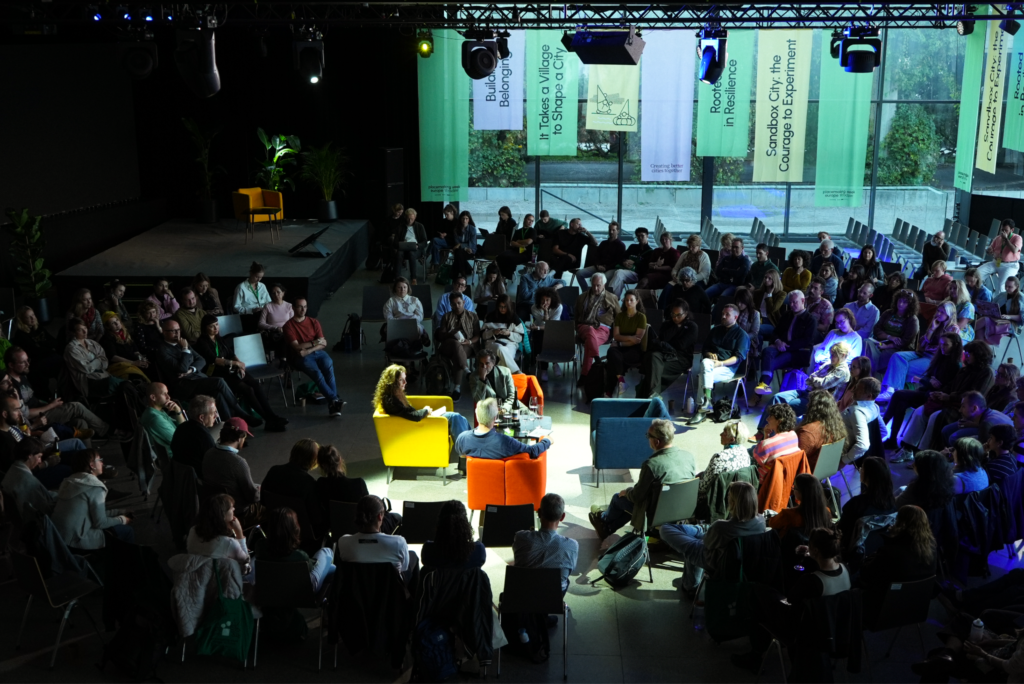
By Wednesday evening, Friction took us into conflict, power and failure. In a fishbowl discussion, people could join the conversation from the audience. Sharing space means dealing with different needs and unequal influence. Participation can be exhausting. Collaboration can break down. There is a particular generosity in sharing something you are still struggling with in a room full of colleagues.
Trying was close to home for me. Three of the placemakers in residence who helped create the climate shelter in Paiporta spoke about working with local people after the floods near València. I had been involved in that process, and hearing them reflect on it in Wrocław gave me a little distance from the daily work. Their experience joined others from across Europe, connecting local experiments with housing, climate and democratic challenges. It reminded me how much we learn through doing something together, seeing what happens and adjusting.
Rooting asked what allows that work to endure. We heard about markets, neighbourhood identities, public institutions and civil society working through war and recovery. These very different circumstances brought us back to who carries a place forward, and how they are supported.
As I tried to put it:
You do not plant a root.
You repeat a route.
After so many journeys to Wrocław, I felt that line personally. Familiarity had grown through returning, working with people and repeating small things. Rooting asks something of us, too. Relationships need attention. Places need care. Someone has to come back.
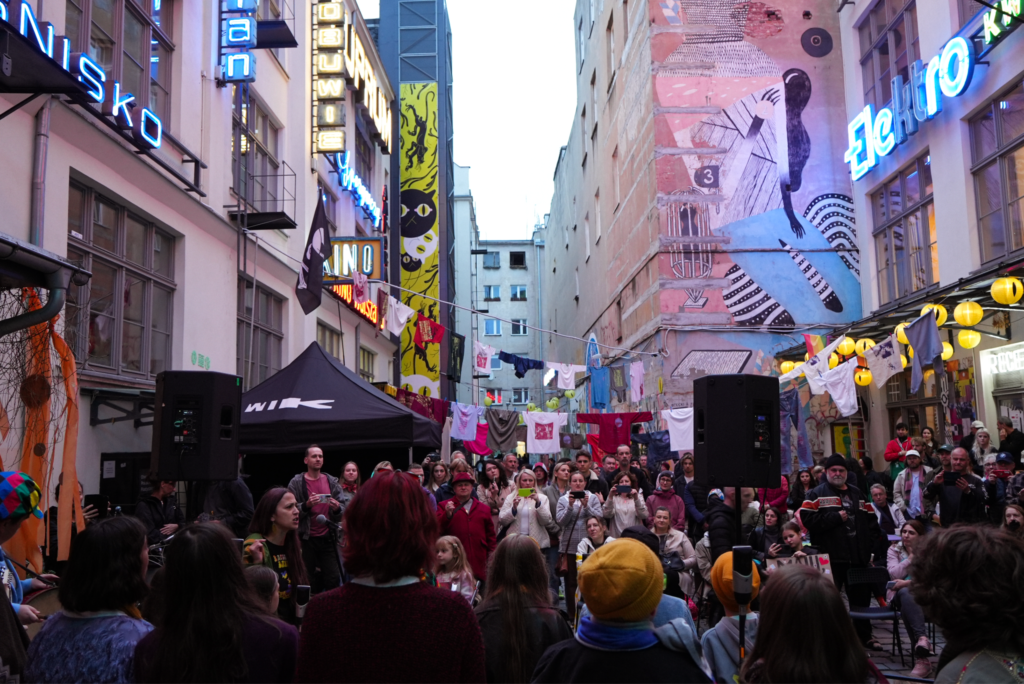
Belonging brought the journey to a close. Two keynote listeners returned with an insight, an unresolved tension and a question from the week. I liked leaving room for what remained open. We asked what we would carry home, what we could offer to others, and which conversations we wanted to continue.
The four local challenges brought these questions into places where Wrocław is already considering change. Municipal staff, local organisations and researchers shared the dilemmas they face and invited participants to work on them together.
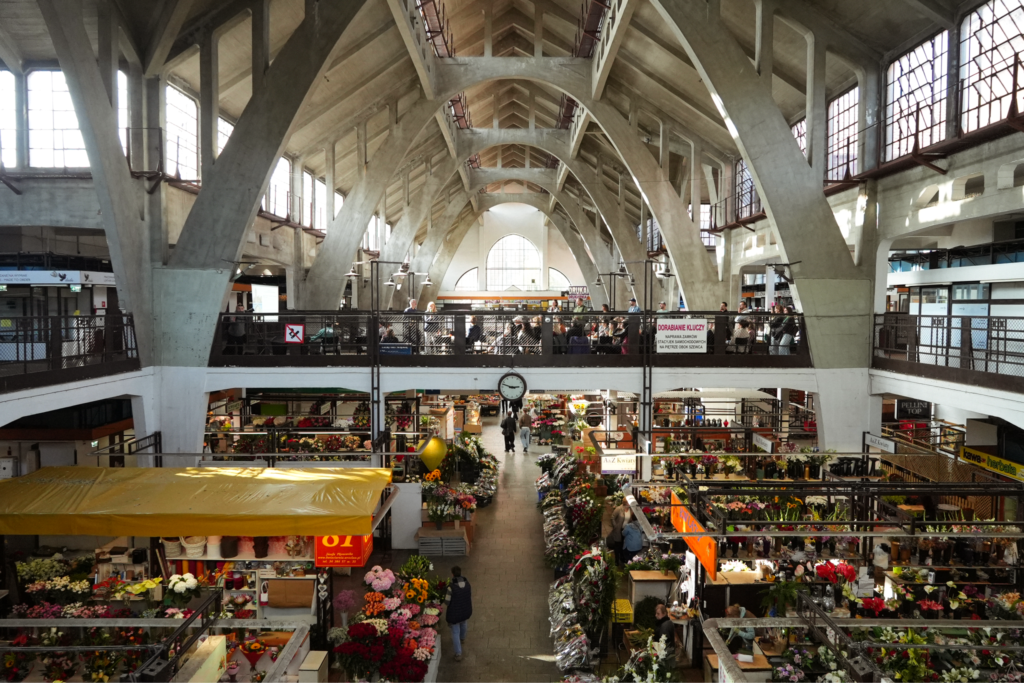
At the Market Hall, the question was how to bring more activity and diversity into a place while supporting its existing traders and everyday function. The discussion connected practical needs, such as repairs, accessibility and places to sit, with possibilities for cooking, learning and gathering. Participants explored a stronger relationship with the riverside and activities that could help the market’s businesses thrive. I find this a useful question for many cities: how can a place evolve while sustaining the people and relationships that give it character?
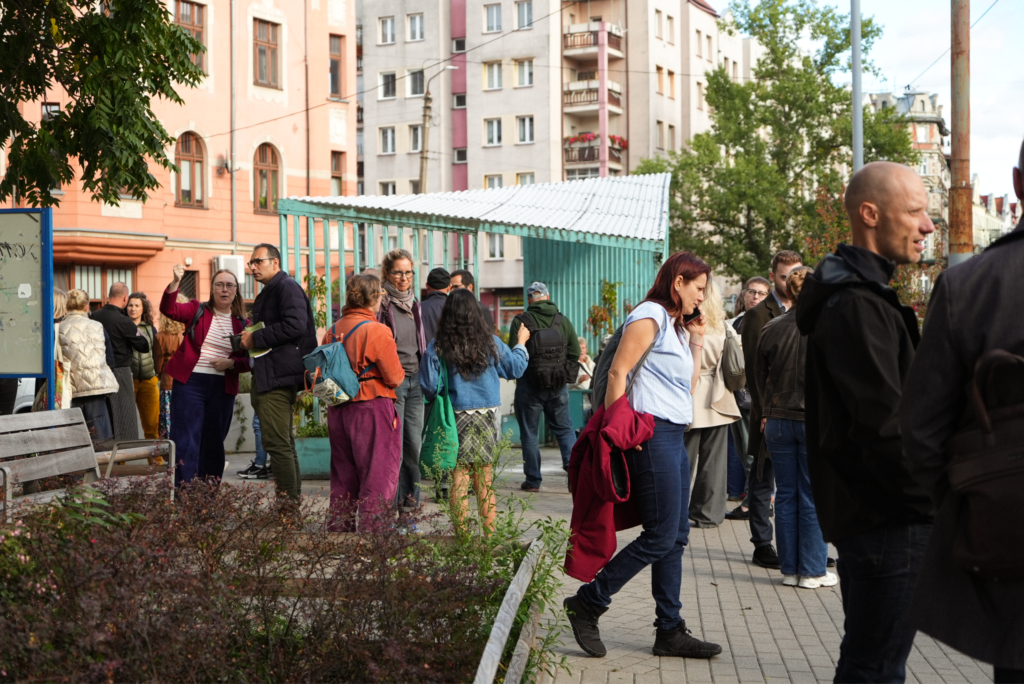
At Triangle Square, the nearby Local Activity Center brought a deceptively simple challenge: how can a small pedestrianised square become a comfortable, recognisable and well-used meeting place? Removing traffic opens a possibility. Making somewhere people want to spend time requires attention to everyday use, local relationships and who will care for it. Here, a neighbourhood organisation offered a starting point for that work.
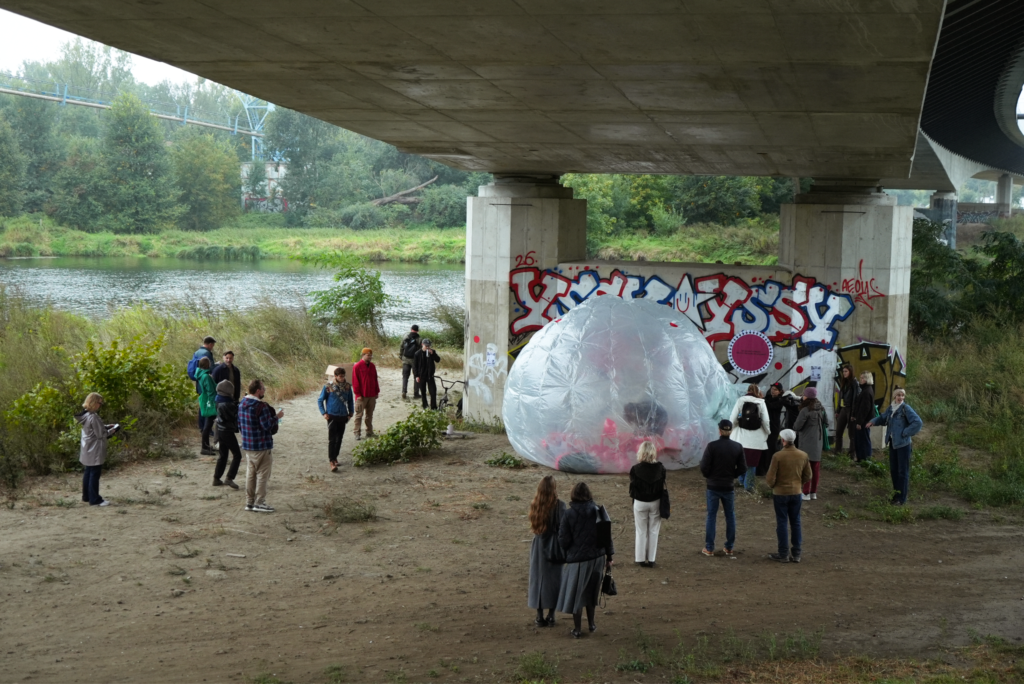
Under the Great Island Avenue overpass, participants explored the possibilities of infrastructure that already provides shelter from sun and rain. Ideas included skating, exercise, film screenings, street art and better riverside connections, beginning with basic services and temporary tests. The discussion also recognised the people already using the space, including those sheltering there. Improving it carries a responsibility towards them. That concern belongs at the beginning of any proposal for its future.
At Kościuszki Square, the discussion focused on a gradual route towards change. Temporary seating, greenery, activities and changes to how street space is used could help residents and the municipality experience possibilities before committing to permanent works. The notes also brought out the importance of involving heritage authorities and city departments early, and of creating a regular way for residents, businesses and institutions to work together. A small test needs people who can learn from it and decide what happens next.
Reading the reports, I see a shared concern with the life that follows an intervention. Who will use it? Who will look after it? How will decisions be made? What can happen soon, and what needs sustained investment? These are questions we should keep asking when the excitement of the festival has passed. The proposals now need further local discussion, testing and decisions. I hope our contribution helps that process move forward.
The Polish presence throughout the festival was strong. I was glad to see people from Wrocław and elsewhere in Poland shaping the week, bringing their work and questioning ours. A host city gives a great deal to a gathering like this. I hope the relationships and ideas formed during it give something back.
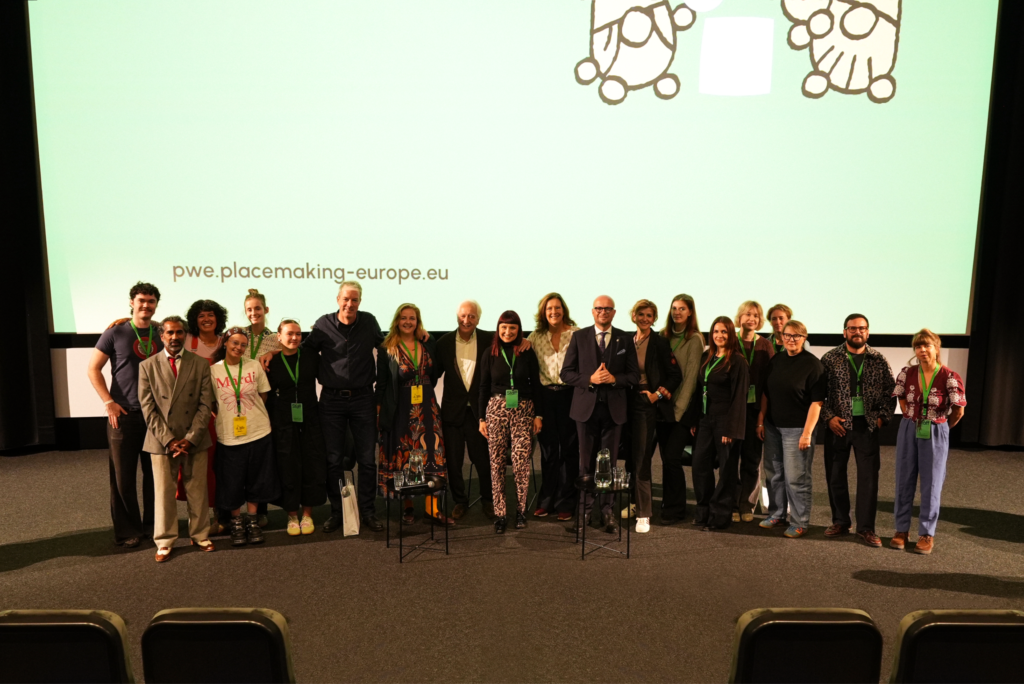
The world is getting nastier. Cities are under pressure, and many of the people working to improve them are tired. I carry that into the festival too. I came home more optimistic after spending time with people willing to share, listen and stay with difficult questions. I have more people to call, more experiences to think with, and a little more energy to keep trying.
In one sense, we have a very easy job: the week is built from what you contribute. I also know how much work makes that possible. Thank you to everyone in Wrocław who welcomed us, to the session organisers, speakers, volunteers and participants, and to our team. I saw the care you put into this, including in moments when you had very little energy left.
I am back in València, carrying Wrocław with me. If you led a session, please share its outcomes for the festival report, so others can learn from what happened. I hope the poems, the report and the relationships we formed help these conversations keep travelling, reaching people who were never in the room.
Please also take a few minutes to complete our evaluation survey. Tell us what worked, what could improve and what you would like to see next time. Your feedback will help us make the festival better.
Next year, we meet in Bradford. Come and join us. See you there.