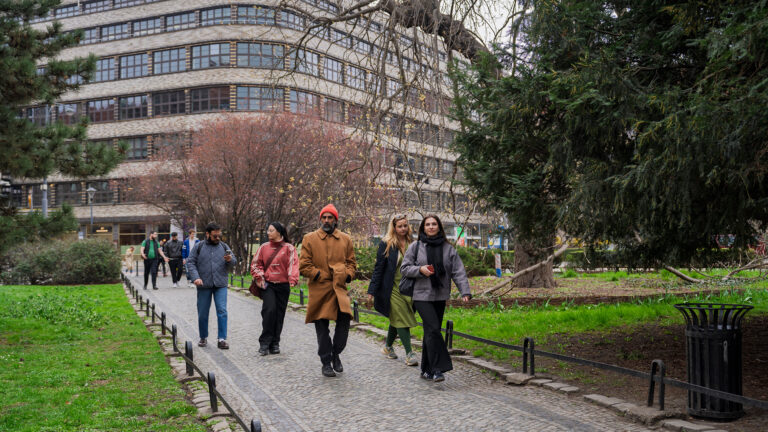
For Turku, placemaking is increasingly seen as a way to strengthen identity, activate underused spaces, and build stronger connections between people, culture, and the city itself. Through the programme, the city hopes to transform existing placemaking initiatives into a more systematic and long-term approach.
From scattered initiatives to a shared approach
Turku already has many placemaking-related initiatives underway, but the city recognizes that these efforts are often fragmented and dependent on individual actors rather than embedded institutionally. One of the key challenges is creating clearer ownership, responsibilities, and shared practices across the city organization.
At the same time, several ongoing projects already demonstrate placemaking’s strong potential in Turku.
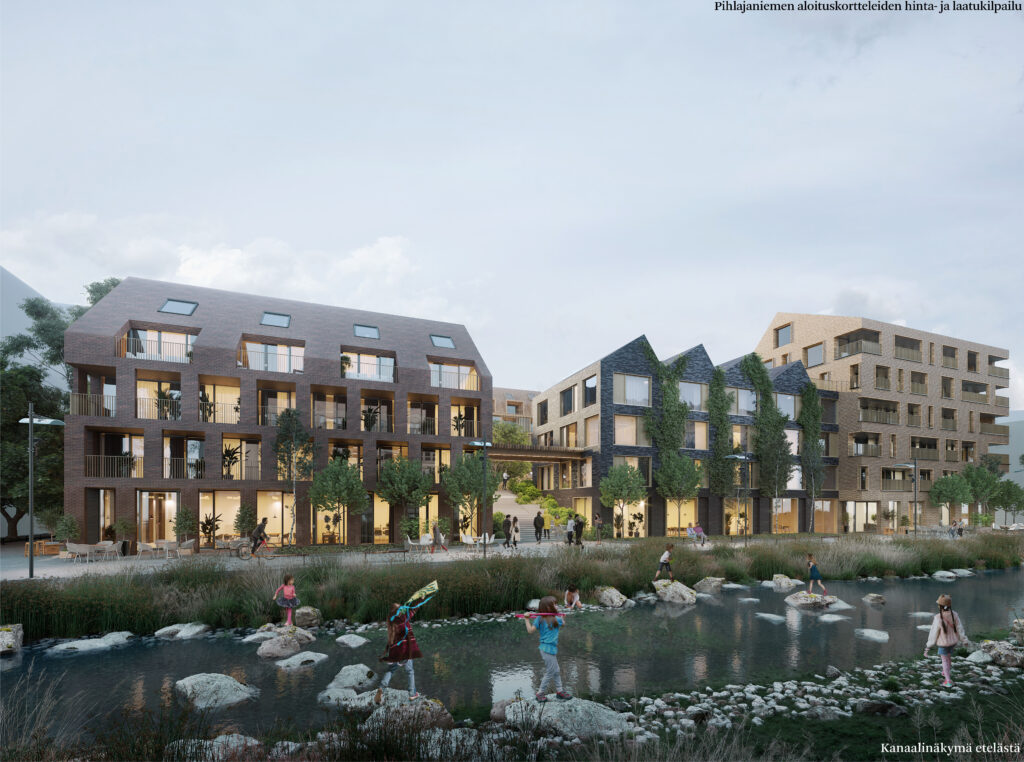
In Pihlajaniemi – a new 24-hectare development area – placemaking is being used to help build local identity and increase community engagement from the early stages of development. Human-scale and people-centred planning principles have guided the planning and design process. Temporary activations, events, and the use of parks, beaches, and empty plots are planned to bring life into the area while supporting future long-term plans.
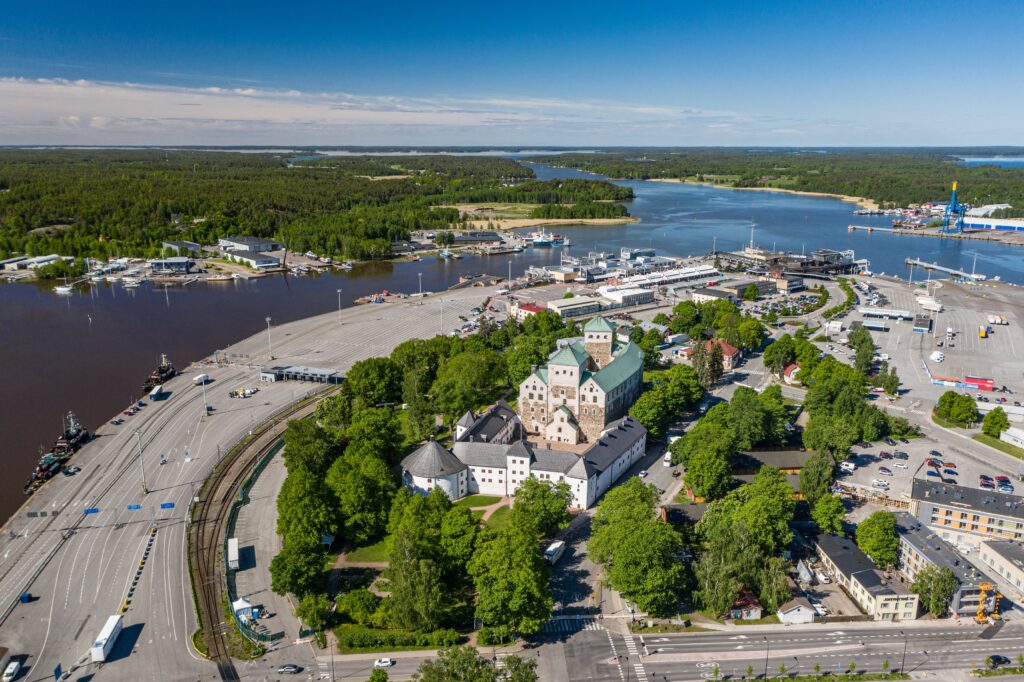
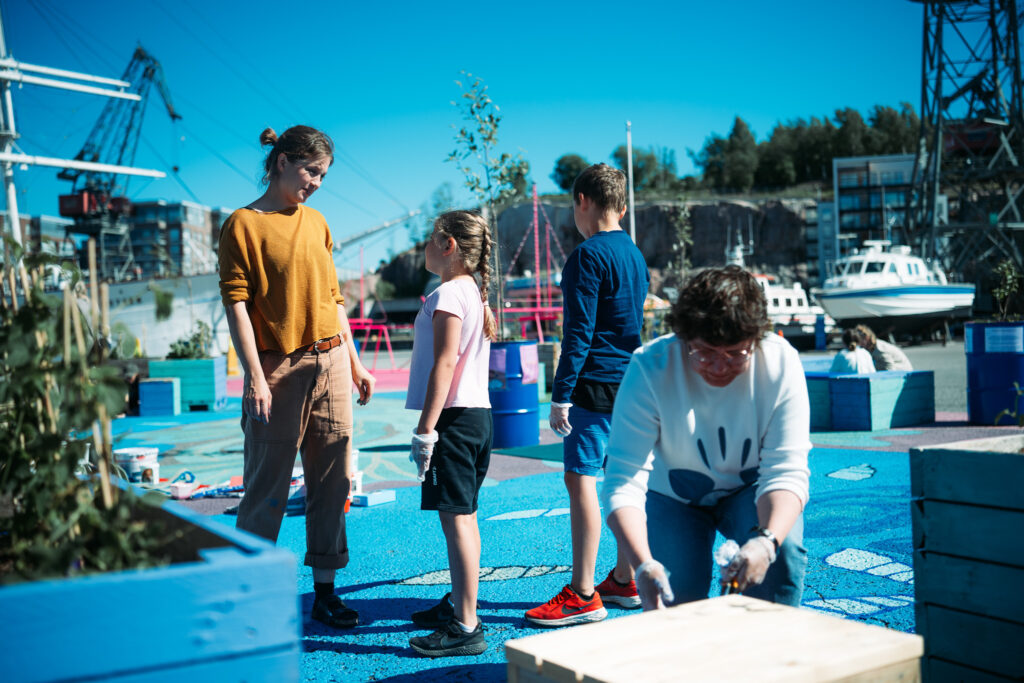
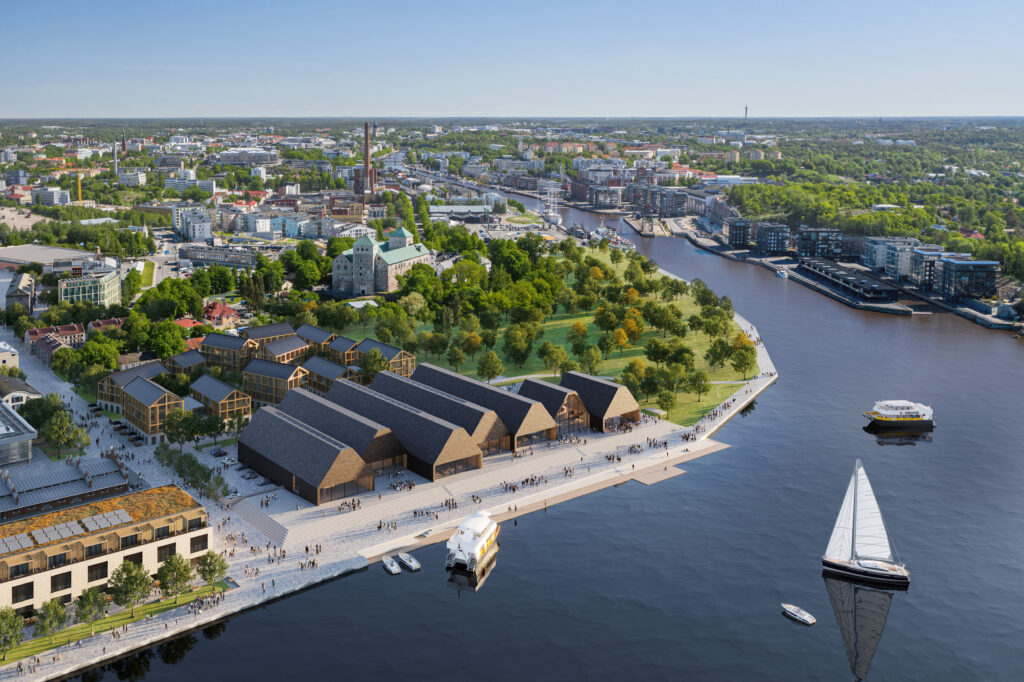
Meanwhile, Linnanniemi – the area surrounding Turku Castle and the harbour – is undergoing major transformation into a lively maritime art district where history, culture, and the archipelago landscape come together. Collaborative projects in the area have already included public art, co-created waterfront concepts, workshops with local children, and the revitalization of museum courtyards into green and welcoming public spaces.
These projects have also highlighted important lessons: co-development processes can successfully engage residents and stakeholders, but cities still need clearer structures for long-term maintenance, coordination, and decision-making.
Building long-term placemaking structures
Turku joins the programme with a clear ambition: to make placemaking more visible, accessible, and embedded within city development processes.
Current priorities include:
- creating systematic ways to integrate multidisciplinary placemaking into urban development;
- defining responsibilities and ownership within the city organization;
- developing practical tools and shared understanding around placemaking;
- strengthening collaboration between the city, cultural actors, communities, and local stakeholders.
Looking Ahead
Turku’s participation in the programme also connects closely to the city’s upcoming 800th anniversary in 2029 – an important milestone and opportunity to further activate public spaces, cultural life, and community participation across the city.
Turku joins the Cities in Placemaking programme with curiosity, momentum, and a strong willingness to learn. We’re looking forward to supporting and learning alongside the city as it continues to build a more connected, collaborative, and place-led future.