I had never been particularly interested in dogs. I hadn’t paid them much attention. But suddenly I’ve become one of those people who greet dogs before their owners. Now I catch myself watching them and wondering how they interpret the world.
I think about how they decide whether they can trust us. They don’t ask our names or read our cover letters. They watch how we move, how quickly we approach, our tone of voice. They smell things about us that we don’t even know we’re revealing. Perhaps they sense fear or excitement, or remember that the last person who approached them that way treated them kindly.
Sometimes, a piece of sausage helps. A dog doesn’t need much to become curious about you. It just needs reasons to believe that coming closer won’t put it in danger.
We’re not so different, even if we like to think our decisions are more rational. When we arrive in an unfamiliar city, walk into a bar or sit down in a square, we’re constantly interpreting signals. Who’s from here? Who might help me? Who might hurt me? Can I sit here? Can I join in? The answers depend not only on what’s in front of us, but also on what we’ve experienced before. The same gesture can seem friendly or threatening depending on the experiences of the person receiving it. Trust depends on the prejudices we’ve accumulated and the opportunities we’ve had to question them.
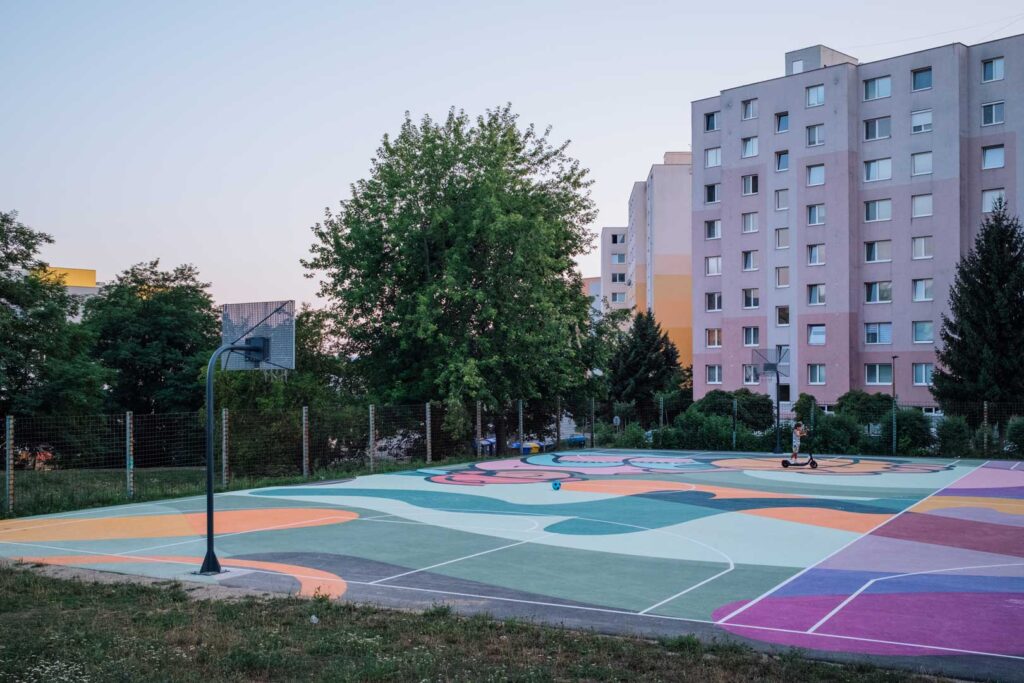
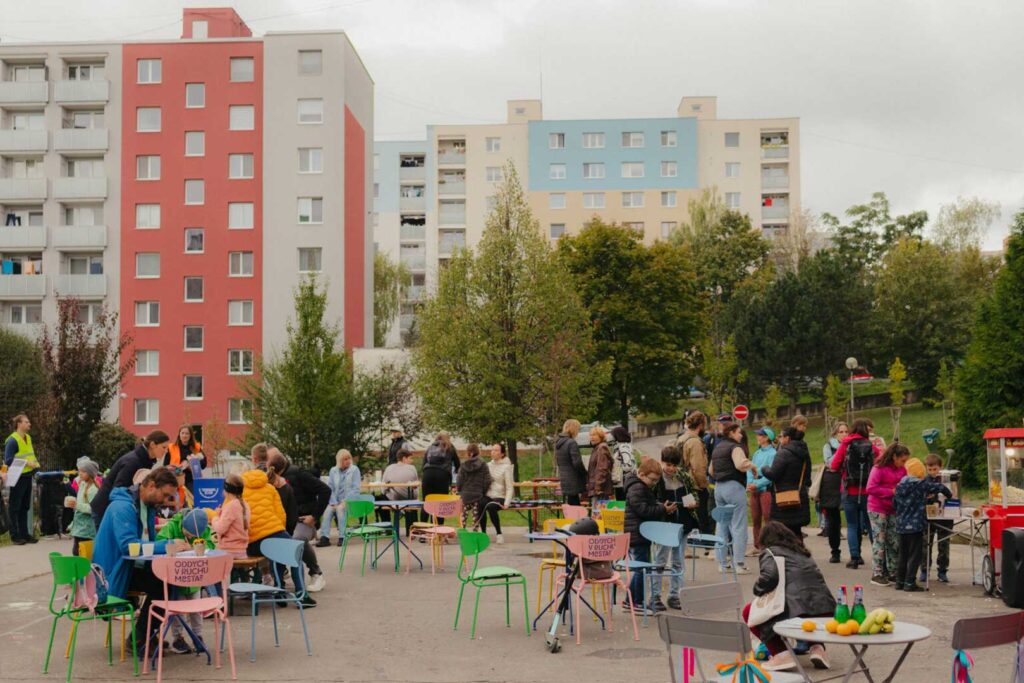
We are spending these days in Trenčín, a Slovak city that is this year’s European Capital of Culture. It has chosen curiosity as the guiding thread of a programme that goes beyond staging performances to transform public spaces and relationships between residents. Together with the local team, we’ve prepared Placemaking Days to explore how trust develops, from the first encounter between strangers to neighbours’ ability to organise and influence institutional decisions.
The question feels timely at this strange moment when many of us are deeply angry about the state of the world and, at the same time, extraordinarily certain that we’re right. We distrust politicians, the media, institutions and, increasingly, people who think differently from us. We don’t just disagree with their ideas. We often suspect their intentions. We struggle to imagine that someone could reach different conclusions from ours without being ignorant, selfish or acting in bad faith.
And yet we have to keep living together. We can’t choose all our neighbours. At least, those of us who don’t choose to separate ourselves from shared life through private health insurance or gated communities can’t. Fortunately, we can’t dictate who sits on the next bench, who sends their children to the same school as ours or who shares a square with us either. And this, which can sometimes feel like a nightmare, is one of the city’s great virtues. In a society where we select what we consume, what we read and whom we spend time with, public space remains one of the few places where we encounter people we haven’t chosen.
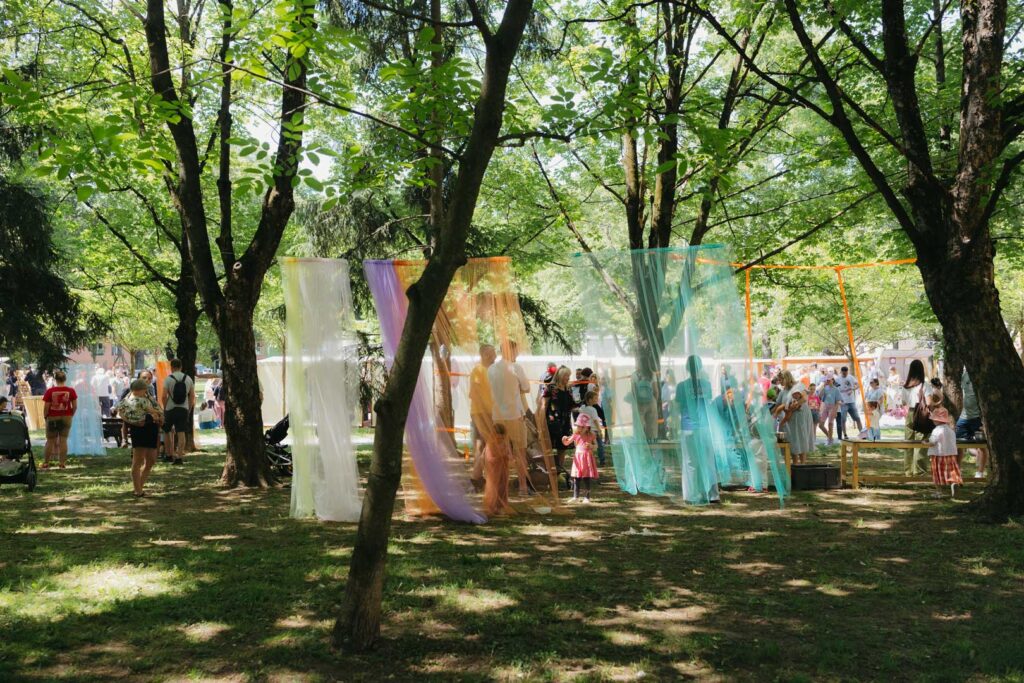
But sharing space doesn’t necessarily mean connecting. A square can be full of people without anyone interacting. A park can be beautiful and still leave some people feeling unwelcome. A market, by contrast, can spark conversations between strangers without anyone having planned them. A shared table, a cultural activity or someone making room for us on a bench can be enough to begin seeing a person we didn’t previously know in a different light.
We shouldn’t idealise encounters either. They aren’t all pleasant, and they don’t all build trust. Some people have more than enough reason to be wary, and not everyone can approach a stranger with the same ease. Our experiences shape our perceptions. This is precisely why creating places where we can interact safely and respectfully is a matter of equity, as well as urban design.
A chance encounter can lead to recognition. Repeated encounters can build familiarity. And familiarity, given time and reciprocity, can develop into trust. But this doesn’t happen automatically. We need reasons to return, opportunities to do things together and room to disagree without the relationship breaking down.
Something similar happens with institutions. Trust can’t be demanded or declared in a strategic plan. It has to be earned by keeping commitments, sharing decisions and showing that listening to others can change the outcome. And that includes people who are angry. A healthy democracy isn’t one where nobody protests, but one where we can disagree and still build things together.
Perhaps the most important legacy of a European Capital of Culture isn’t a new building, a memorable exhibition or a renovated square. Perhaps it’s that people who didn’t know each other now work together, that a community has strengthened its ability to organise, or that a city council has learnt to work differently. Projects end, budgets run out and political leaders change. The relationships and capacities we’ve built can endure.
I come back to dogs. A few years ago, I would have walked past one without paying much attention. Now I stop, watch how it looks at me and try to understand whether it wants to come closer. I haven’t discovered any great truth about animals, but I have learnt something about myself: our perceptions can change far more than we imagine when we give ourselves the chance to have different experiences.
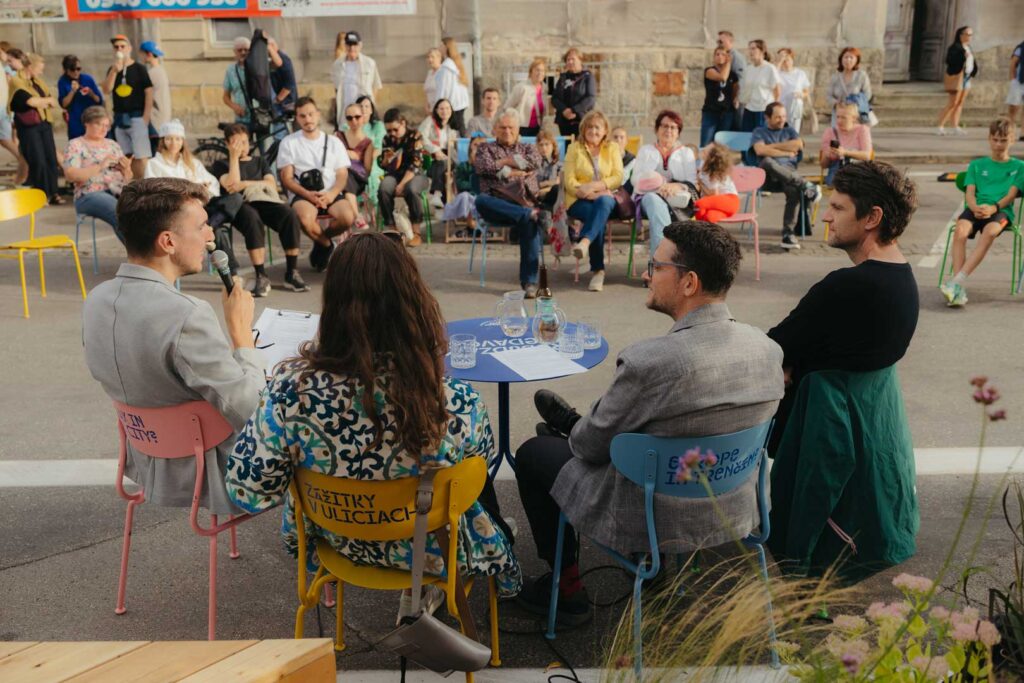
Perhaps we can also reconsider some of our certainties about our neighbours, especially those who think very differently from us. We don’t all have to agree, or stop being angry about the things that are going wrong. We need to hold on to our curiosity about others and our ability to share a world that will never be exactly as we would like it.
In times of distrust, perhaps one of our cities’ most important responsibilities is to create places where curiosity has enough room to grow into trust. And where, despite everything, we still feel like talking to our neighbour.
*A previous version of this article was published in Catalan at eldiario.es Comunitat Valenciana