
Learn about the different projects that Placemaking Europe promotes or is involved in
Together, we’re shaping the future of public spaces and creating lasting change. Explore, contribute, and grow with us!
Placemaking Week Europe is Europe's largest placemaking festival with over 700 practitioners reunited to share knowledge, learn and network.
The Placemaking Europe Toolbox is a collection of curated placemaking resources for all to access, learn from, and practice.
22nd – 25th, September 2026
This year’s festival will explore 4 overarching themes that correlate with these approaches to placemaking, as well as with the host city’s distinct goals. We aim to bring together knowledge and perspectives from around the world to explore:
Placemaking helps people connect, trust each other, and feel at home in their city. As societies face conflicts and rapid changes, we are rethinking how we want to live together in the future, and belonging means more than physical presence: it is the feeling that the city is part of your daily life, that your voice and culture matter, and that you can help shape shared urban life. Belonging emerges through relationships, trust, and everyday interactions, making public space a place for everyone.
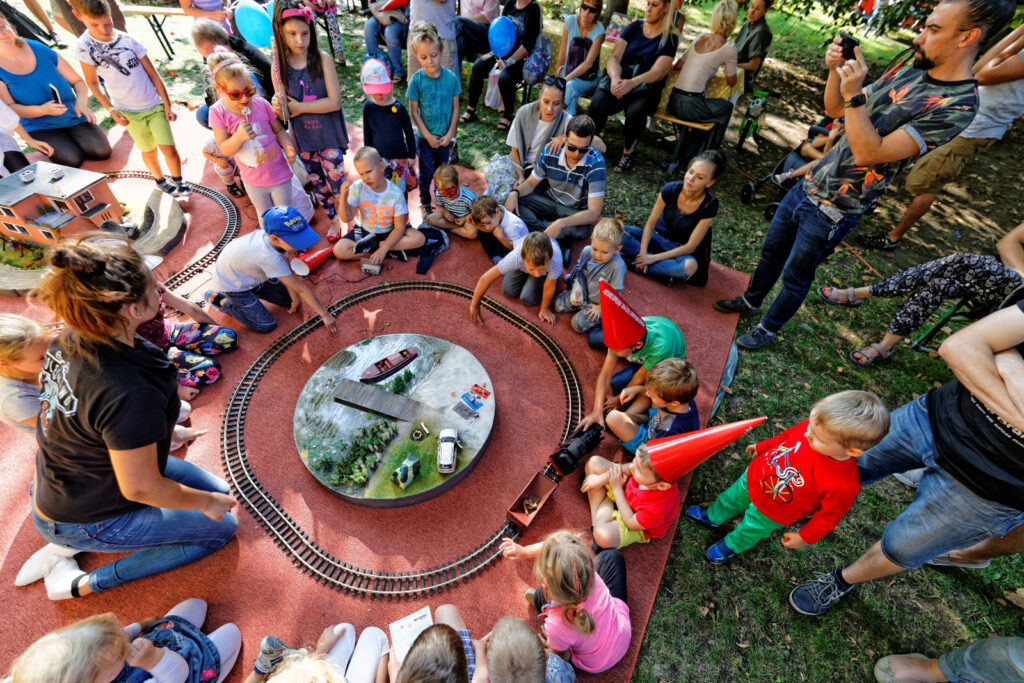
This theme explores how public spaces, local initiatives, and cultural activities help people connect and strengthen social bonds across communities, cultures, and generations. In Wroclaw, projects like the Passage of Dialogue, a social service centre in an underground tunnel in the city centre, and Local Community Centres (Centra Aktywności Lokalnej) across neighborhoods turn everyday spaces into hubs of interaction, learning, and cross-cultural exchange. Cultural events, creative activities, and shared spaces transform ordinary moments into opportunities for connection and collective identity. This remains especially meaningful today, in a city that was rebuilt by people from all over the region, following its destruction during WWII. These spaces help combat loneliness, connect different generations, and integrate diverse cultures into everyday urban life. Squares, parks, and community rooms become places for people of all ages and cultures to meet, exchange, and take pride in being part of the city, bringing the idea of the right to the city to life.
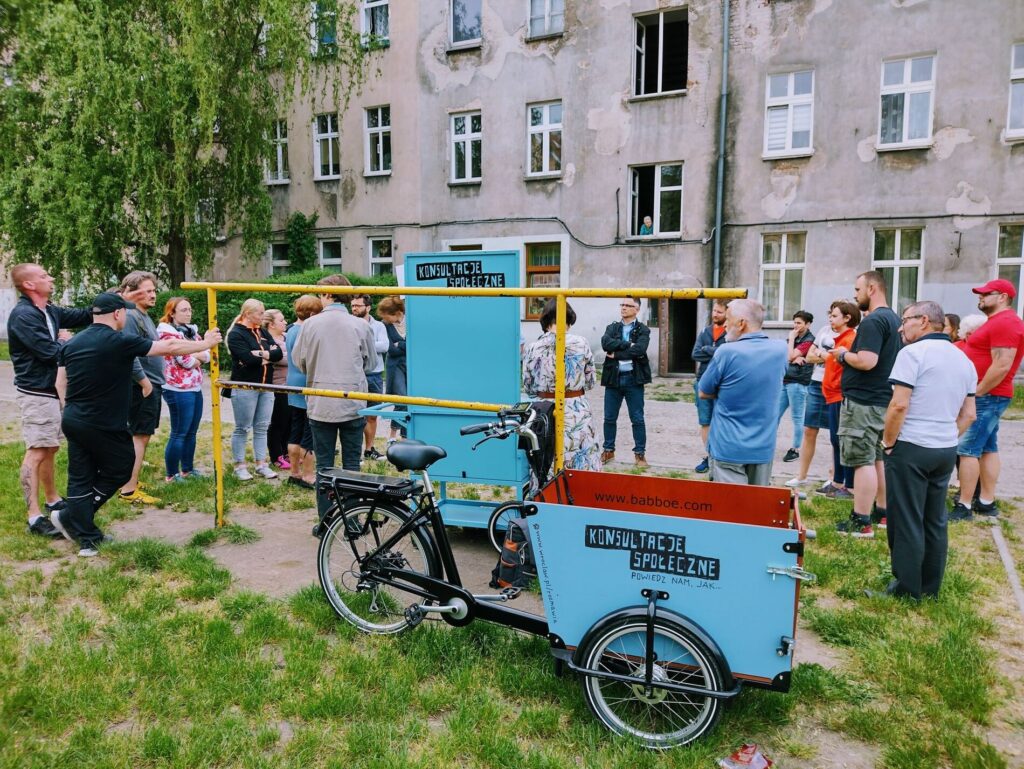
City-making is a collective endeavour, and collaboration goes beyond consultation: it emerges from how municipal departments, cultural organisations, private partners, NGOs, and residents work together to care for shared spaces. Co-creation allows communities to participate meaningfully in shaping the city, turning ideas into action while fostering local responsibility and ongoing commitment. Meaningful engagement and innovative collaboration are essential, particularly in fast-growing cities facing development pressures, where co-creation must balance diverse interests and foster shared responsibility.
This theme explores how co-creation can be built into the DNA of a city. In Wroclaw, residents shape their environment through initiatives like the participatory budget, which turns neighbourhood ideas into real projects, and ESK Parks, where cultural programmes involve local communities in transforming public spaces. Together, these efforts demonstrate how collaborative models nurture care, stewardship, and shared responsibility for streets, squares, and parks, turning public space into a living reflection of community priorities while strengthening local identity and a sense of stewardship.
City-making is often a leap of faith – a long-term endeavour that thrives on experimentation, testing, and learning in real time. This theme explores how cities can experiment in real spaces, learning as they go, with a “lighter, faster, cheaper” spirit that aligns with our bigger goals. Short-term experiments become most valuable when we observe what works, what surprises us, and what can stick, feeding lessons into long-term strategies. Experimentation should also be supported through organisational structures, adapting city-making processes to encourage testing, iteration, and learning.
In Wroclaw, streets, squares, and neighbourhoods act as living laboratories. Projects like Popowice Tram Depot and Leśnica use playful installations, pedestrianisation trials, pop-up greenery, and cultural interventions to allow residents to shape, experience, and give meaning to public space while providing feedback. These experiments show how temporary actions can spark long-term transformation, turning ideas into lasting improvements that respond to community needs, build trust, and foster a culture of experimentation – both from the residents as well as from the municipality – that support creative approaches, cross-department coordination, and flexible processes, so that testing, learning, and adaptation become embedded in city-making rather than one-off initiatives.
Resilience is about preparing for and adapting to change – whether social, environmental, or economic. It is built not only with people but alongside nature itself, combining ecological systems, social networks, and cultural life. Strong, resilient cities are those where communities, organisations, and infrastructure can respond, recover, and evolve in the face of challenges. In this theme we follow the path where culture, nature, and community come together, exploring how everyday places and strong networks can grow into living hubs of human connections, care and resilience.
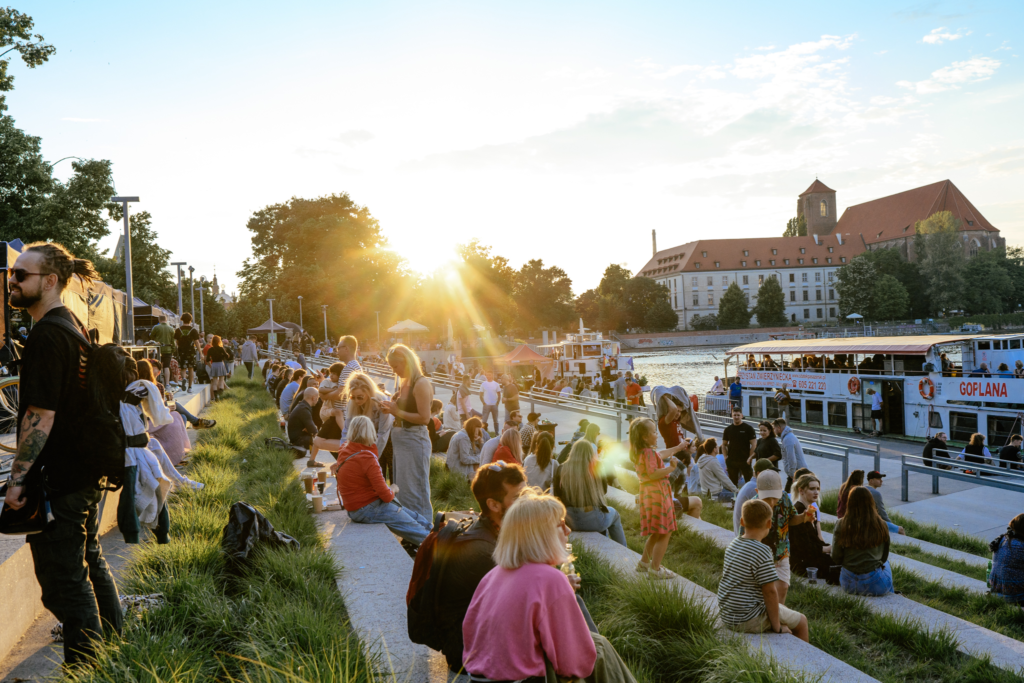
In Wroclaw, resilience has been shaped through both crisis and opportunity. The city has faced conflict, floods, rapid demographic change, and the recent arrival of over 200,000 Ukrainian refugees, yet each moment has strengthened social bonds and inspired innovative approaches. Initiatives link ecological solutions, public space, and civic engagement: rainwater gardens, urban forests, re-greened squares, and riverfronts work hand in hand with cultural centres, NGOs, and local networks. Neighbours supporting each other, organisations sharing knowledge, and institutions coordinating resources all contribute to a city where adaptation, preparedness, and daily life coexist – demonstrating that resilience is strongest when multiple partners actively shape solutions together.
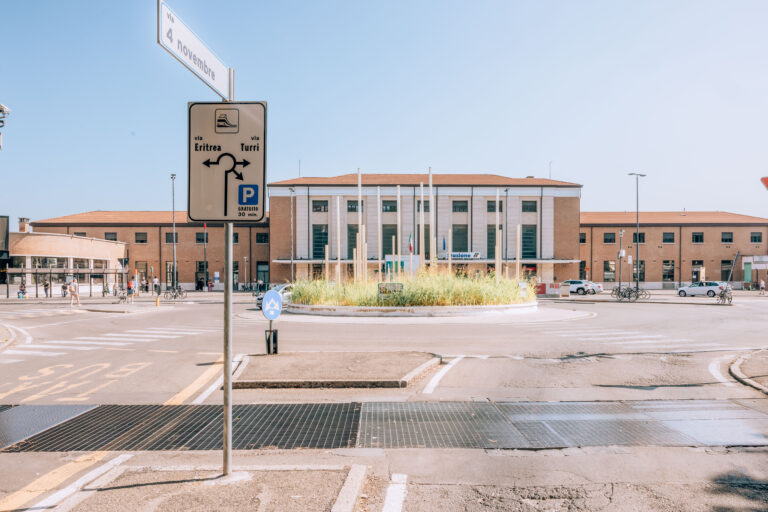
Wrocław is one of Poland’s best-connected cities, making it reachable from a variety of different places–whether it’s from Amsterdam, Berlin, London or anywhere else in Europe and the world, getting to Wrocław won’t be a hassle.
| Cookie | Duration | Description |
|---|---|---|
| cookielawinfo-checkbox-analytics | 11 months | This cookie is set by GDPR Cookie Consent plugin. The cookie is used to store the user consent for the cookies in the category "Analytics". |
| cookielawinfo-checkbox-functional | 11 months | The cookie is set by GDPR cookie consent to record the user consent for the cookies in the category "Functional". |
| cookielawinfo-checkbox-necessary | 11 months | This cookie is set by GDPR Cookie Consent plugin. The cookies is used to store the user consent for the cookies in the category "Necessary". |
| cookielawinfo-checkbox-others | 11 months | This cookie is set by GDPR Cookie Consent plugin. The cookie is used to store the user consent for the cookies in the category "Other. |
| cookielawinfo-checkbox-performance | 11 months | This cookie is set by GDPR Cookie Consent plugin. The cookie is used to store the user consent for the cookies in the category "Performance". |
| viewed_cookie_policy | 11 months | The cookie is set by the GDPR Cookie Consent plugin and is used to store whether or not user has consented to the use of cookies. It does not store any personal data. |