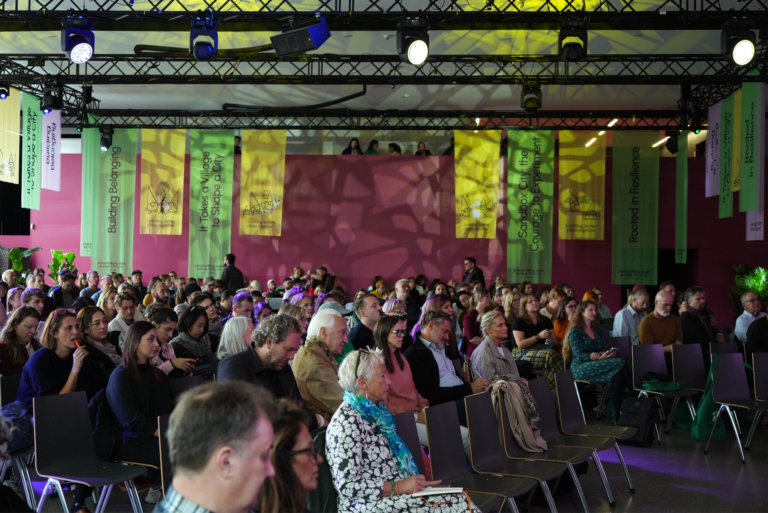
Resilience can take many forms. It can mean resilience in the face of climate change, resilience during crises, or resilience built through strong communities and everyday support networks. But what does it mean when a city is truly resilient? Not only the ability to survive difficult moments, but the capacity to adapt, recover, and emerge from them stronger, more connected, and better prepared for the future.
The theme Rooted in Resilience explores how cities can create environments that support both everyday life and long-term preparedness. It asks how public spaces, neighbourhood hubs, ecological systems, and social networks can work together to help communities respond to challenges related to climate, health, safety, and rapid social change. At its core lies a simple but powerful understanding: human connections are one of the most important foundations of urban resilience.
The city of Wrocław offers a particularly meaningful perspective on this theme: from floods, conflict and displacement, they emerged stronger every time. Wrocław inherently knows how to turn crisis into community, learning how to bend without breaking. Resilience, as the theme frames it, is not a crisis management strategy, but rather shows how, throughout time, slowly but surely, a city can be built on infrastructure, cultural life and shared spaces and values for all.
A city shaped through resilience
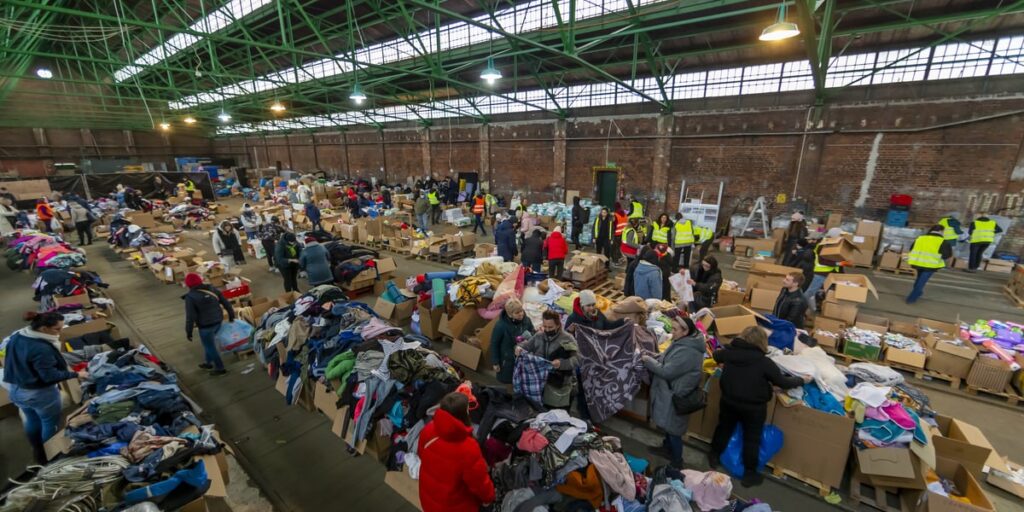
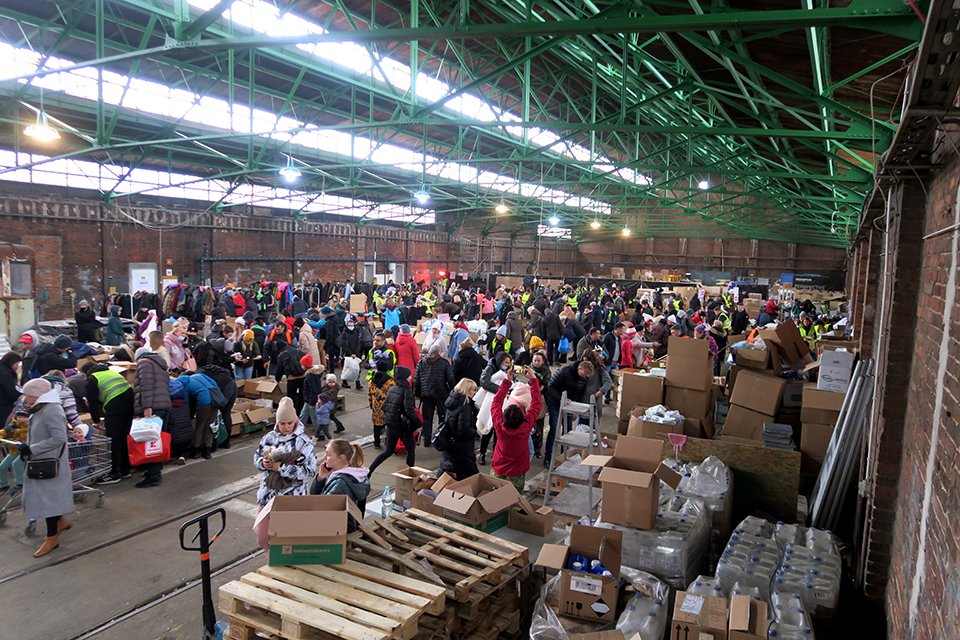
Throughout its history, Wrocław has repeatedly faced moments of disruption and transformation. From the destruction of World War II, to the devastating floods of 1997, to the arrival of more than 200,000 Ukrainian refugees following the outbreak of war in 2022, the city has continuously adapted to changing circumstances.
What is striking is not only the city’s ability to respond to crises, but the way these moments have strengthened social bonds and collective action. In Wrocław, resilience has not been built solely through infrastructure or emergency planning. It has emerged through cooperation between residents, institutions, NGOs, and local organisations, all working together to support one another during times of uncertainty.
This approach reflects a broader understanding of resilience – not as a temporary reaction to crisis, but as an ongoing process embedded in everyday urban life.

Where culture, nature, and community converge
Resilient cities rely on more than physical infrastructure alone. They are shaped through the interaction of social networks, cultural life, and ecological systems. While individually each of them matters, together, they create something that beautifully meshes together – a living urban fabric capable of adapting over time.
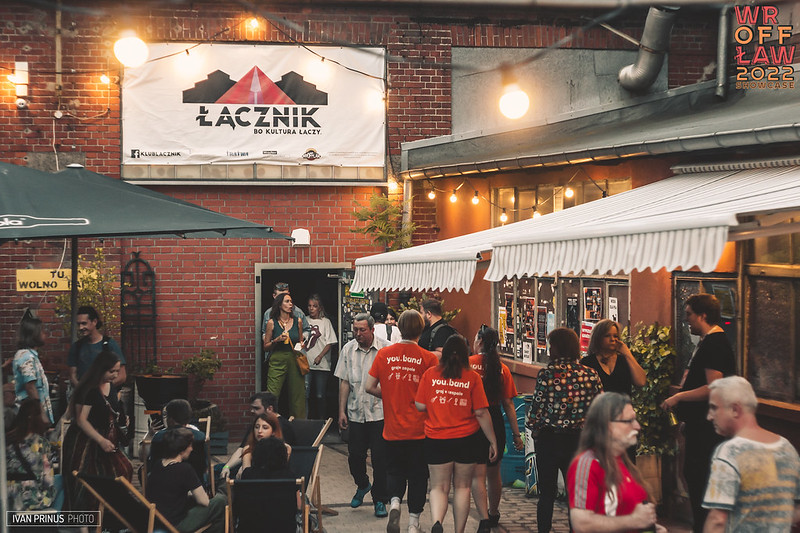
Czasoprzestren embodies these three pillars of resilience – a former tram depot turned into a cultural centre initially for academic culture and local initiatives. But this space transformed quickly into a support hub for women and children fleeing the war in Ukraine. Almost overnight, a place dedicated to creativity and community became a space of safety, care, and emergency support. This adaptability is a key aspect of resilience. Spaces that are open, flexible, community-oriented, and built on strong human connections are often best equipped to respond in moments of crisis. In the case of Czasoprzestrzeń, culture, civic engagement, and humanitarian response became deeply intertwined within one shared environment.
Wrocław: A city of community
At the heart of urban resilience are relationships between people. Trust, familiarity, and local networks often determine how effectively communities can respond during difficult moments.
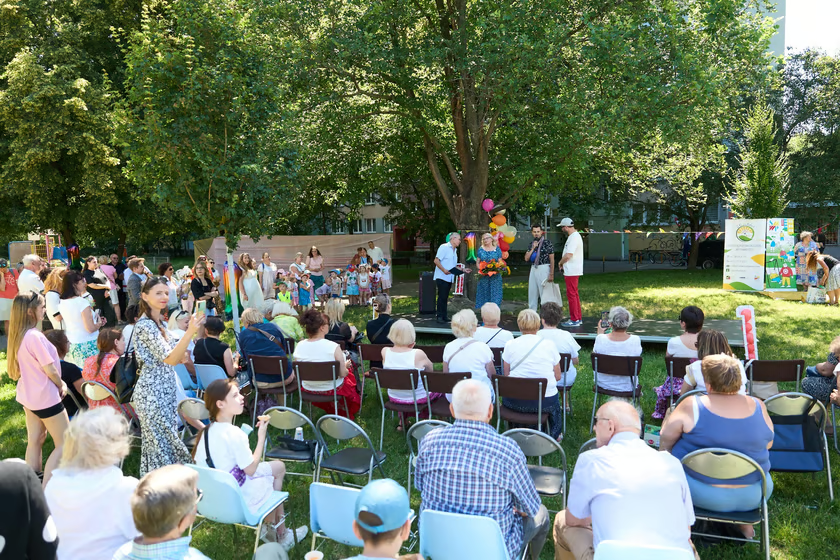
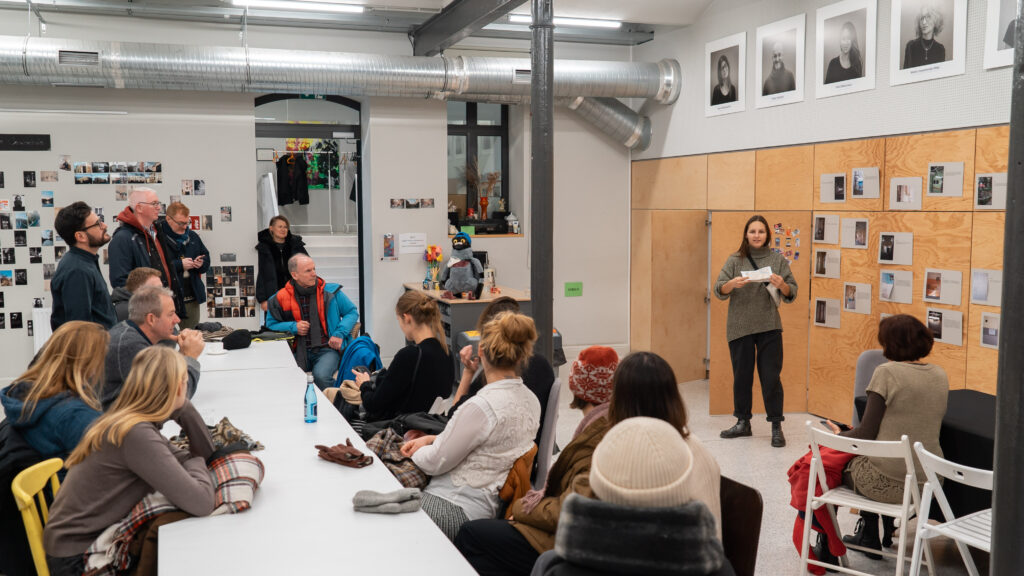
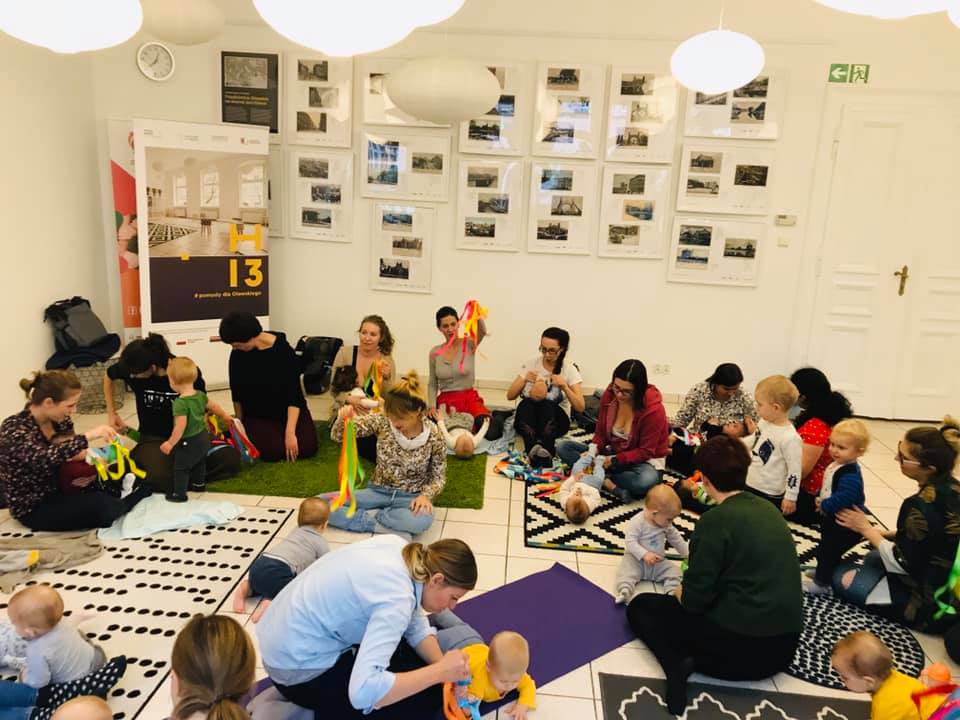
Across Wrocław, the network of Local Activity Centres (Centra Aktywności Lokalnej) plays an important role in building these everyday connections. Operating across neighbourhoods, they are everyday spaces for everyday people, where accessibility, trust, and openness are embedded in the rhythms of neighbourhood and city life.
What makes these centres especially important is that, regardless of the reason for the need, residents know where to go, whom to ask for help, and how to organise collectively when challenges arise, or simply when they want to connect with others. In this sense, resilience is built long before emergencies occur; it develops gradually through daily interaction, trust, and shared experience.
Blue-green infrastructure and resilience in everyday life
Climate resilience is another increasingly important dimension of urban development. As cities face rising temperatures, extreme rainfall, and environmental pressures, public spaces and ecological infrastructure play a crucial role in adaptation.
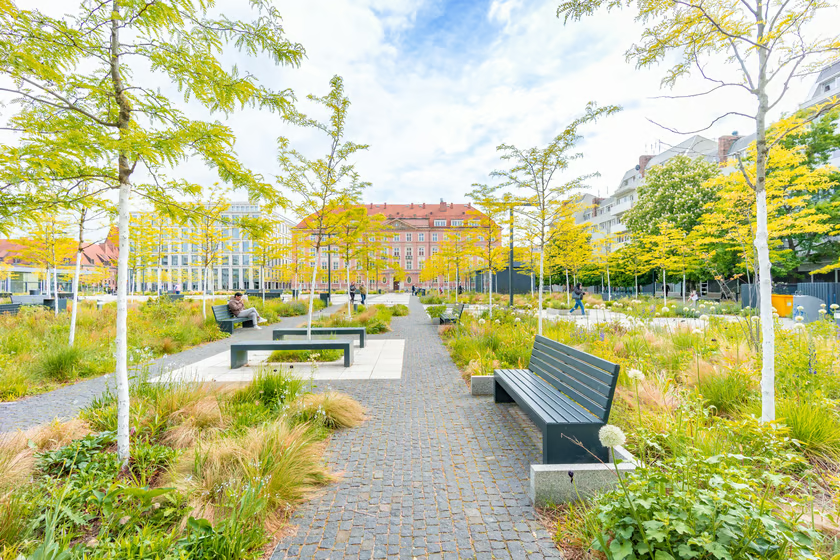
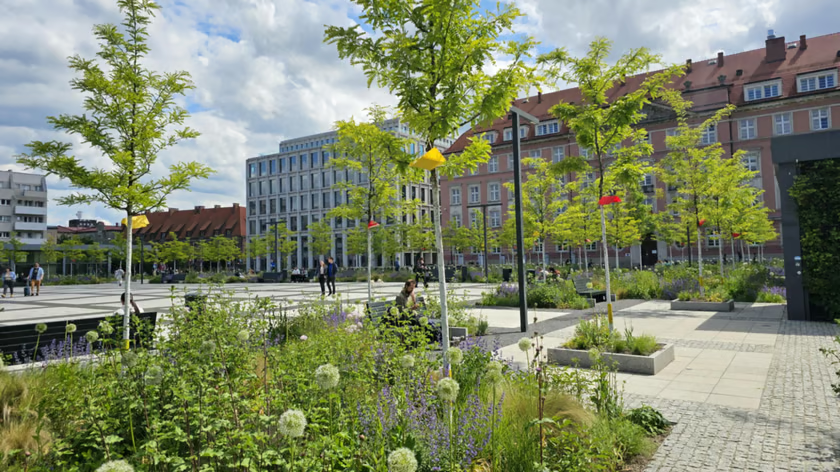
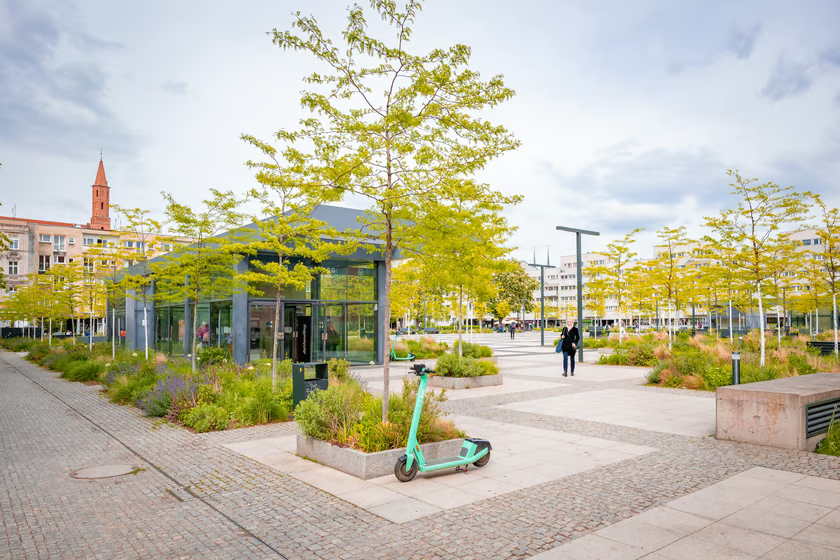
In Wrocław, projects such as the transformation of show how environmental and social resilience can reinforce one another. Once dominated by concrete, the square has gradually been re-greened and redesigned to create a cooler, more welcoming public space in the city centre. Today, it functions not only as environmental infrastructure that helps mitigate heat and improve water retention, but also as a lively meeting place for events, daily activities, and social interaction.
This combination of ecological function and public life reflects the principles of blue-green infrastructure, where natural systems support both climate adaptation and quality of life. Resilience here is not hidden underground or separated from daily experience – it becomes visible and integrated into the life of the city.
Growing resilience through food and local systems
Urban resilience also depends on the ability of cities to strengthen local systems and reduce vulnerability to external disruptions. This includes food security, access to resources, and community self-sufficiency.
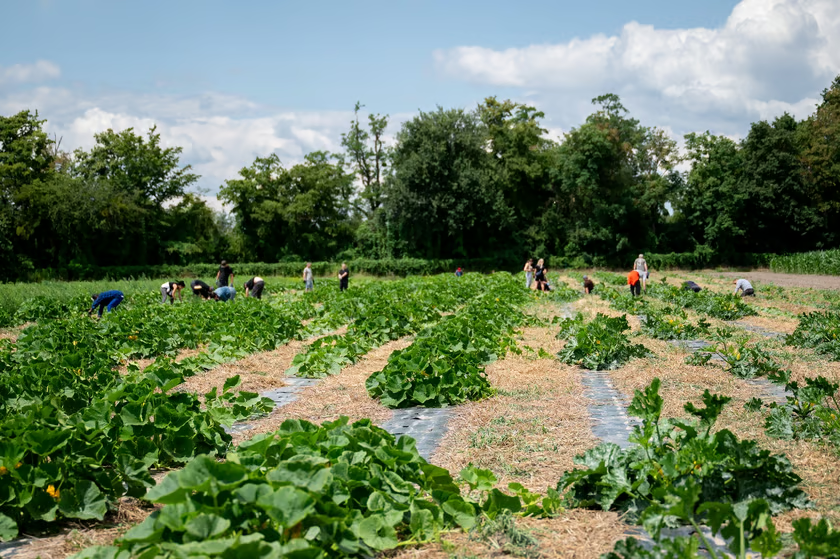
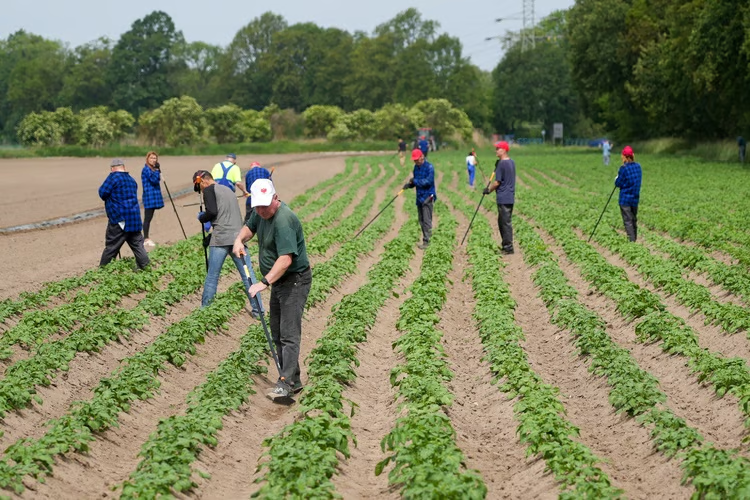
The Urban Farm initiative in Wrocław contributes to this approach by combining ecological education, local food production, and community-building. Beyond producing food, the project creates opportunities for residents to connect around shared activities and environmental awareness.
In times of uncertainty, local food systems can become an important source of stability. At the same time, initiatives such as the Urban Farm demonstrate that resilience can be built through simple, everyday practices that reconnect people with nature, with food production, and with one another.
Resilience as a shared responsibility
What Wrocław demonstrates is that resilience cannot be created by a single institution or sector alone. It emerges through collaboration between communities, organisations, public institutions, and ecological systems. It depends on adaptable spaces, strong local networks, and a culture of mutual support.
The theme Rooted in Resilience therefore invites cities to rethink resilience not only as protection against future crises, but as a way of shaping everyday urban life. It asks how cities can create places that are socially connected, environmentally responsive, and prepared to adapt to change over time.
Ultimately, resilience grows through togetherness. It is rooted in the relationships people build, the spaces they share, and the collective capacity to care for one another when challenges arise.