The idea of a “sandbox city” captures this approach – a city where testing, learning, and adapting are not exceptions, but part of everyday urban practice. Experimentation here is not random or risky for its own sake; it is grounded in real spaces, real needs, and long-term urban goals. In Wrocław, this mindset is increasingly visible. Streets, squares, and neighbourhoods function as open-air testing grounds where temporary actions help shape more lasting transformations.
Activating space through experimentation
Wrocław’s layered history has always required adaptation. From shifting borders to post-war rebuilding, the city has continuously redefined itself. That legacy of reinvention is reflected today in how it treats public space – not as a finished product, but as something open to exploration, adjustment, and change over time. In a way, the idea of urban “living laboratories” also resonates with the city’s cultural heritage – as the home of Jerzy Grotowski and his Laboratory Theatre practice. Perhaps this inclination toward experimentation is, in part, embedded in its DNA.
At the same time, building a culture of experimentation is not always simple. In contexts where trust in public institutions can be more cautious, and where residents are understandably careful about change, introducing temporary interventions requires sensitivity and clarity. In such environments, experimentation needs to be gradual, transparent, and rooted in everyday experience. In Wrocław, this culture of testing, learning, and refining is still developing – growing step by step through visible actions that help build familiarity and confidence over time.
This is where temporary interventions become particularly valuable. Short-term actions such as pop-up greenery, pedestrianisation trials, and cultural programming allow the city to test ideas in real conditions. They reveal how people actually use space, what works in practice, and what might deserve to continue or evolve.
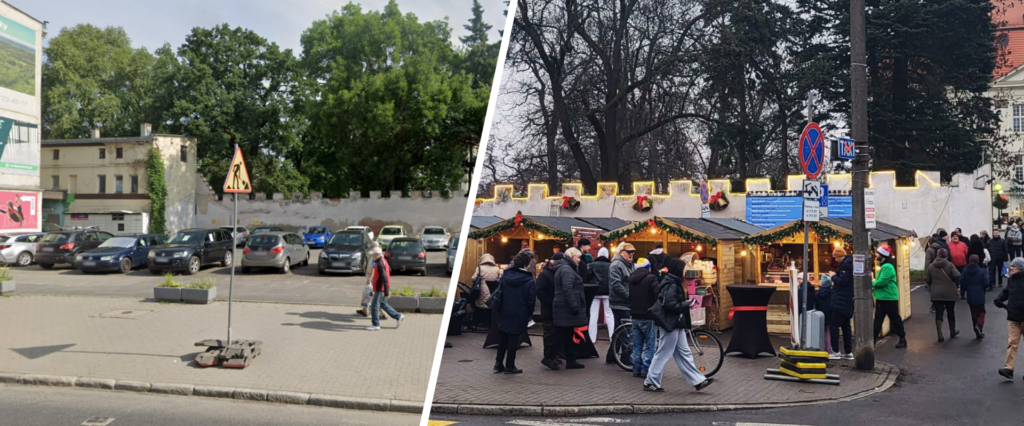
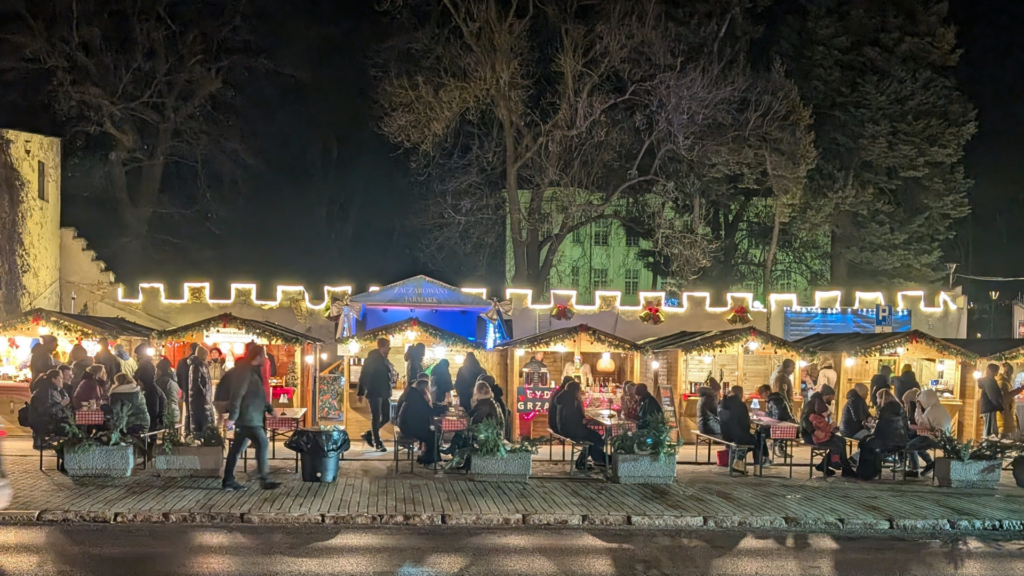
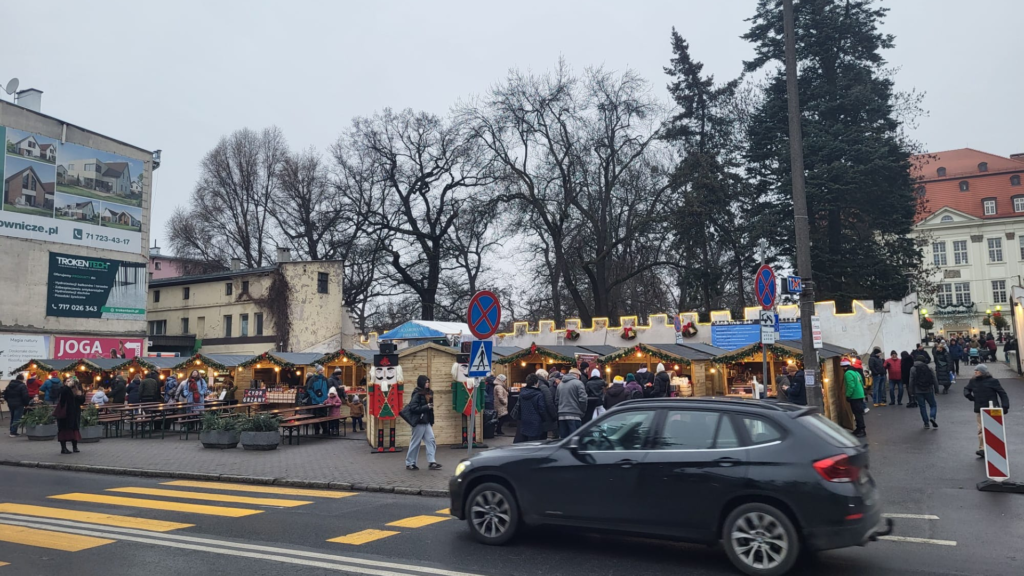
A clear example was the transformation of space in Leśnica, where the area in front of OPT Zamek has become, during the Christmas season, a vibrant gathering place. The “Enchanted Christmas market under the Castle” temporarily replaced a car-dominated space with stalls, activities, and social life. What was usually a transit or parking area became a destination – testing how it could function as a more permanent community hub.
Importantly, this intervention was also designed as a learning process. From the outset, a thorough evaluation was built into the project. This strategic decision by the municipality made it possible to understand how people experienced the transformation – what worked well, what could be improved, and what residents would like to see in the future. The insights gathered provide a strong foundation for next steps, ensuring that future actions are grounded in real feedback and careful analysis rather than assumption.
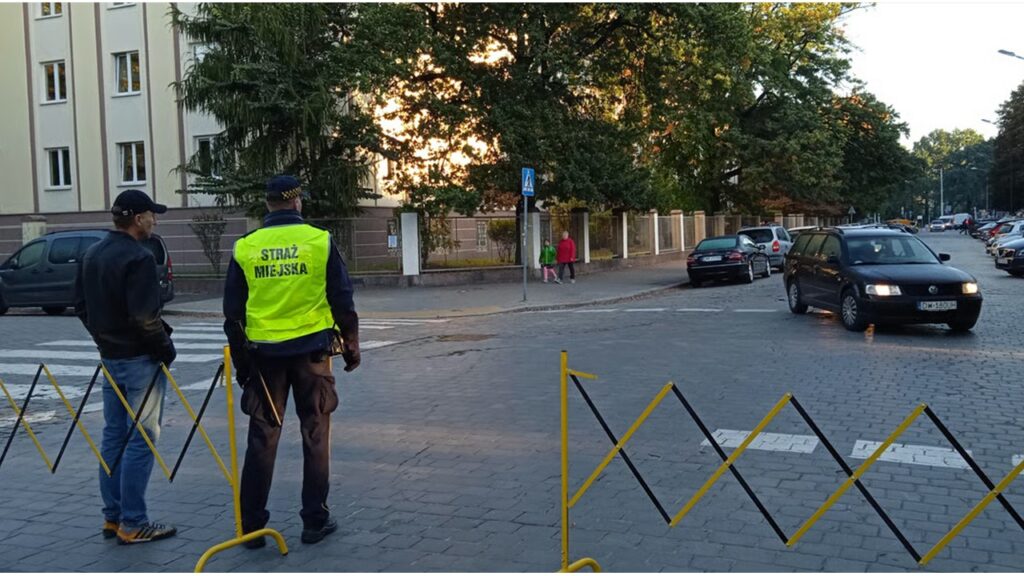
A similar experimental approach can be seen in School Street initiatives. In these pilots, a section of the street directly in front of a school is temporarily closed to car traffic before the classes begin, allowing children to safely walk or cycle in a calm, car-free environment. This space becomes an extension of the schoolyard – a place to meet and socialise before lessons. The intervention is typically tested over a one-month pilot period, with temporary signage and barriers. Crucially, it is accompanied by research, including anonymous surveys conducted before and after the pilot, as well as traffic observations. These insights help evaluate the impact on safety and mobility, informing recommendations for longer-term improvements and potential continuation of the initiative
A shared culture of curiosity
Shaping a sandbox city is a collective effort. The courage to experiment does not sit with institutions alone – it is shared by residents, organisations, and local stakeholders who become co-creators of urban space. Over time, experimentation shifts from being a one-off initiative to an embedded way of working.
In Wrocław, this culture is gradually taking root. Experimentation is not treated as isolated activity, but as a method for informing long-term change. Temporary interventions invite participation, feedback, and dialogue. They encourage people to engage not only as users of space, but as contributors to its future. In this way, experimentation becomes relational as much as spatial, strengthening trust and building ongoing engagement.
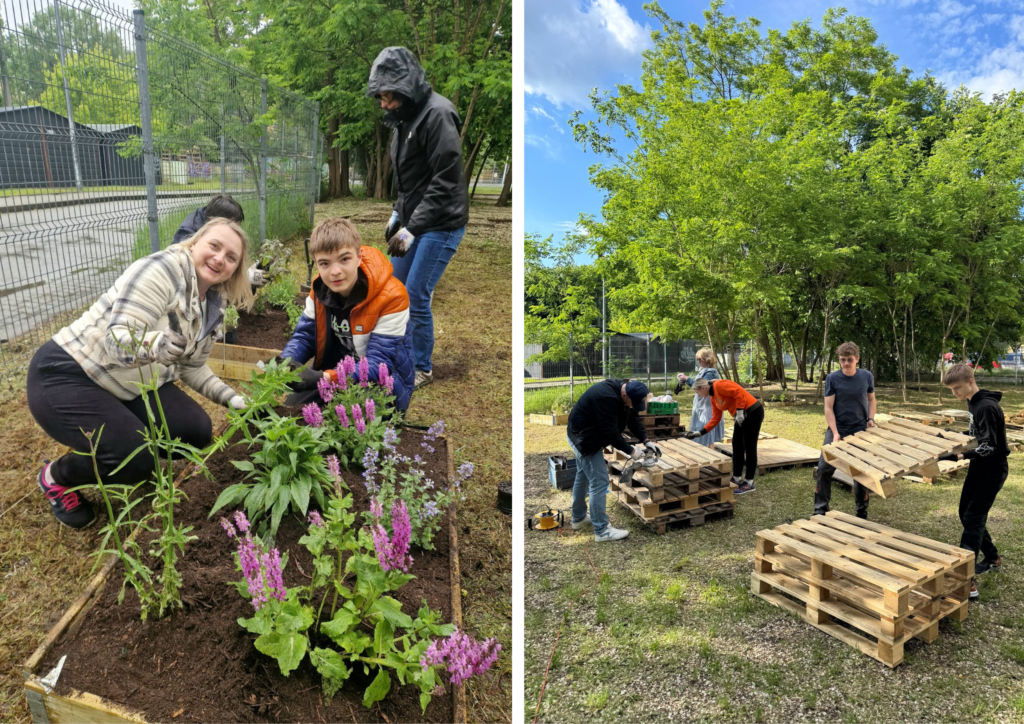
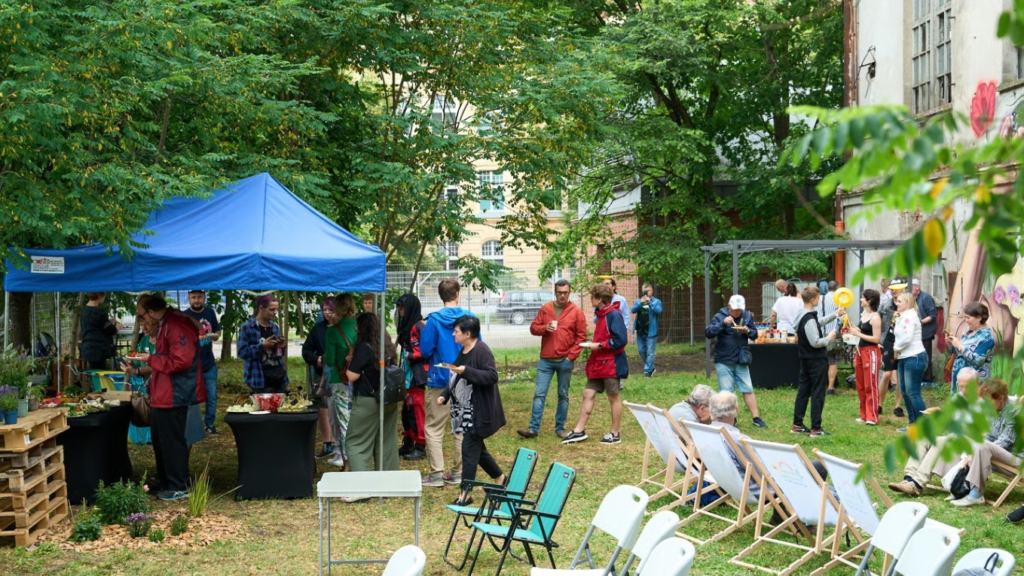
The Popowice Tram Depot is a strong example. Once an underused infrastructure site, it has been gradually activated through temporary uses – cultural and social events, DIY ecological workshops, a painted mural and community-led activities, developed in collaboration with local organisations. Rather than waiting for a fixed redevelopment plan, the a part of a space has been opened up as a testing ground for ideas in practice.
These kinds of interventions help cities understand how spaces function in real life, while also allowing residents to experience possible futures. Over time, repeated experimentation can inform more permanent, grounded transformations.
Flexibility and Reliability
Experimentation does not equal instability. On the contrary, it requires courage – the willingness to try, to learn, and to adjust. Not every attempt will succeed, but each provides insight. Wrocław’s approach shows that flexibility and reliability can coexist. While creating space for testing and innovation, the city maintains consistency in its public services. This balance is essential: it allows experimentation to happen without undermining trust. Over time, testing becomes part of how the city operates, rather than an exception to it.
From sandbox to city
The “sandbox” is not an end in itself, but a method. It allows cities to explore possibilities before committing to them, and to learn from real-life experience before making permanent decisions.
In Wrocław, this approach is already visible. Temporary projects inform long-term planning. Tested ideas evolve into lasting improvements. Spaces once considered underused gain new meaning through cycles of activation, reflection, and adaptation.
Ultimately, the courage to experiment is about embracing a different way of building cities – one that is open, iterative, and responsive. Because cities are never truly finished. And when they are allowed to learn as they grow, they become more resilient, more inclusive, and more closely connected to the people who shape them every day.