Cities are never neutral.
They are socio-spatial constructs shaped by power relations, policy decisions, and institutional priorities, which in turn structure differential access to mobility, resources, care, participation, and safety in everyday urban life.
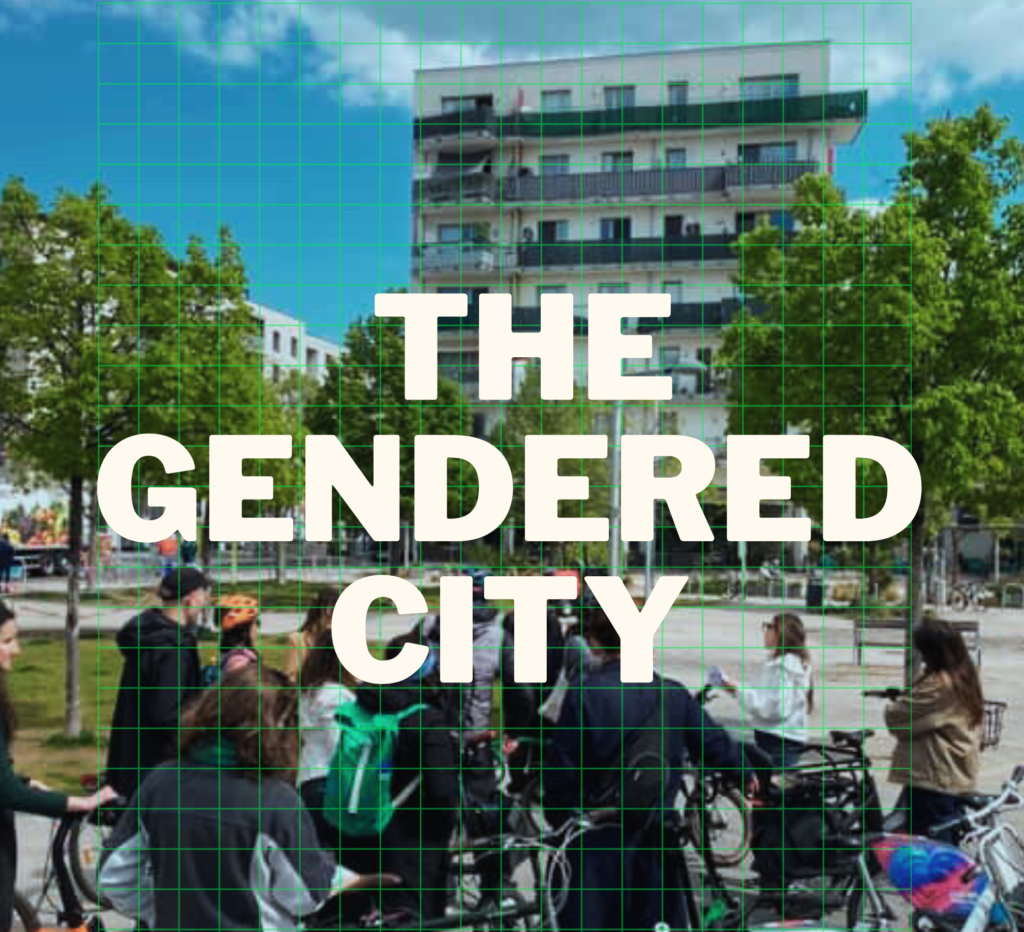
This is the foundation of our work at The Gendered City, exploring feminist participatory urban practices and rethinking how cities are designed, experienced, and governed through a gender lens.
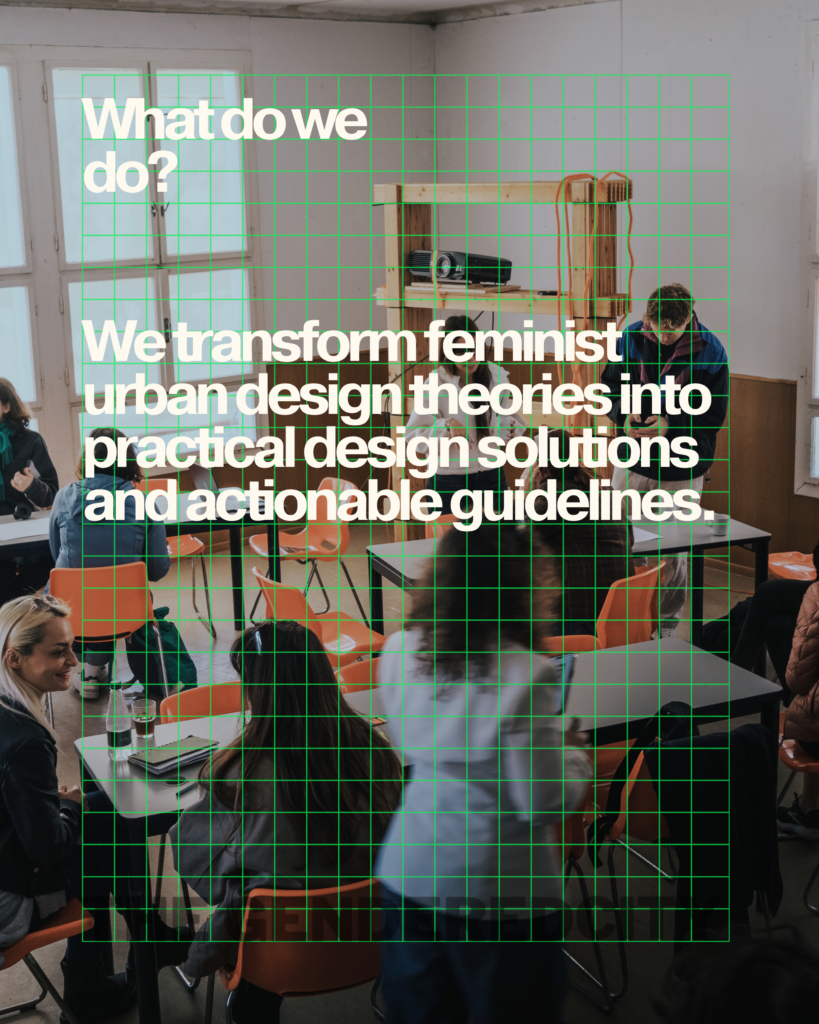

We work at the intersection of feminist urbanism, placemaking, and governance, asking a simple but urgent question:
Who is the city really designed for, and whose needs, experiences, and everyday realities are still left out? And how can we redesign it to be more inclusive, equitable, and responsive to everyone who lives in it?
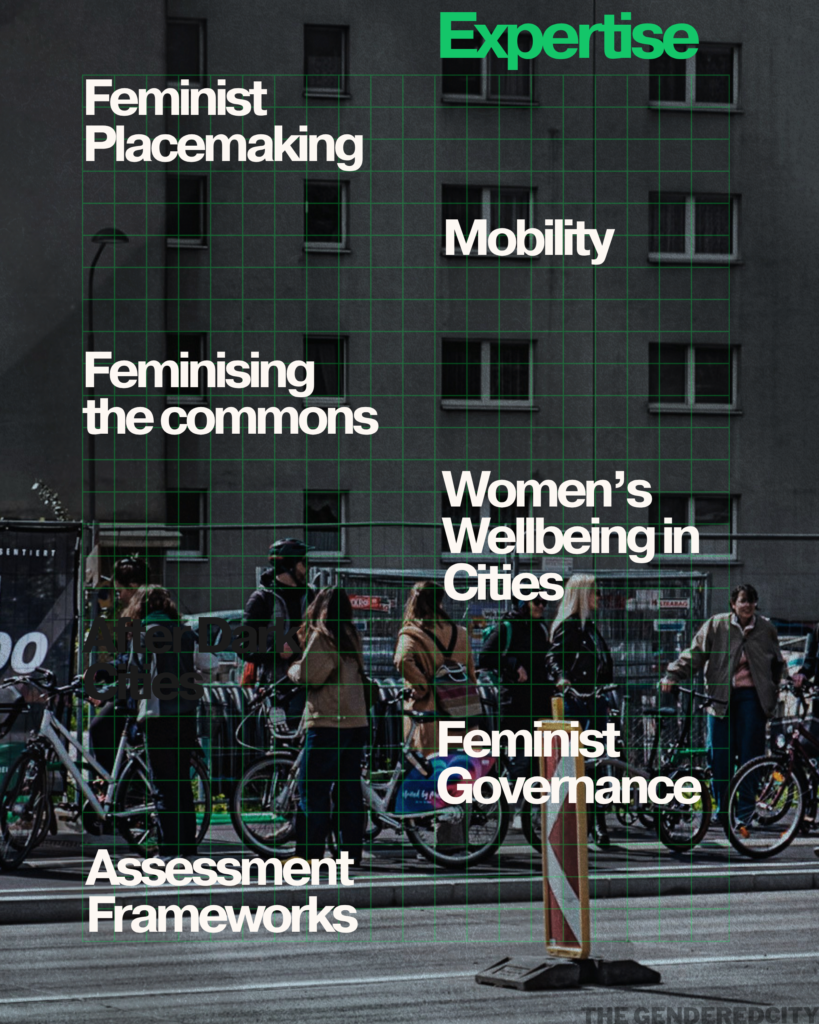
From transport and housing to public space, safety, and decision-making, urban systems often reproduce inequalities that remain invisible in “neutral” planning. Our work focuses on making these structures visible and transforming them.
Two of our ongoing projects are helping shape this mission:
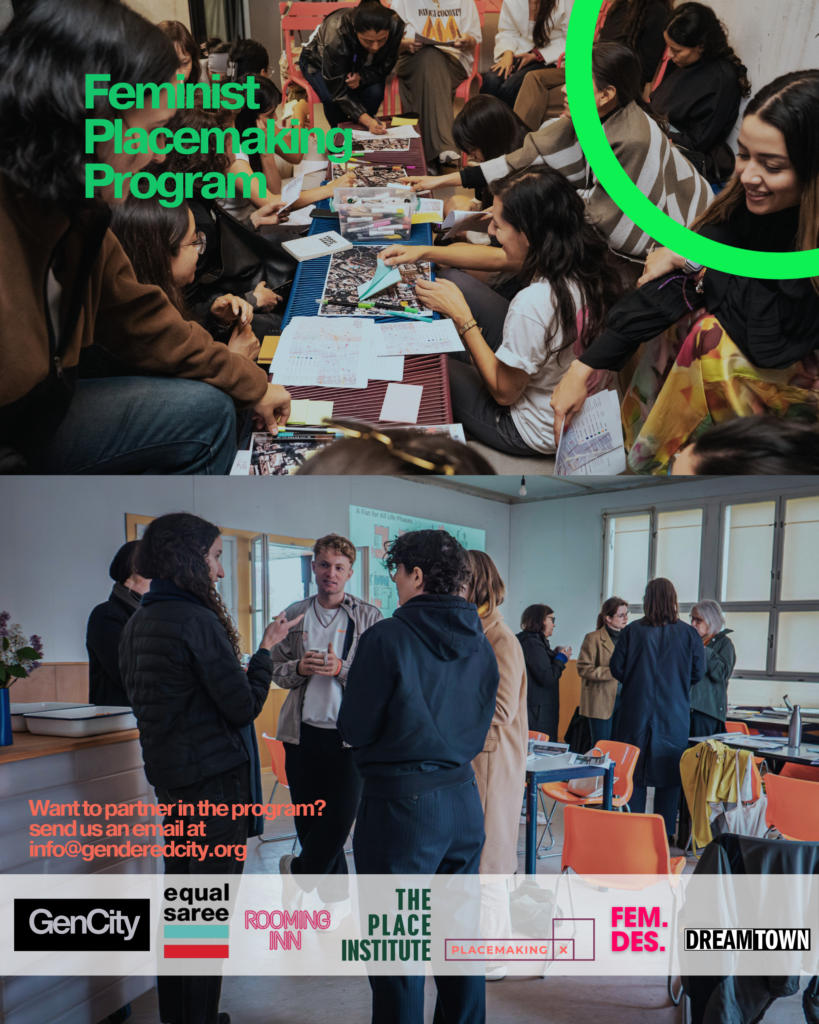
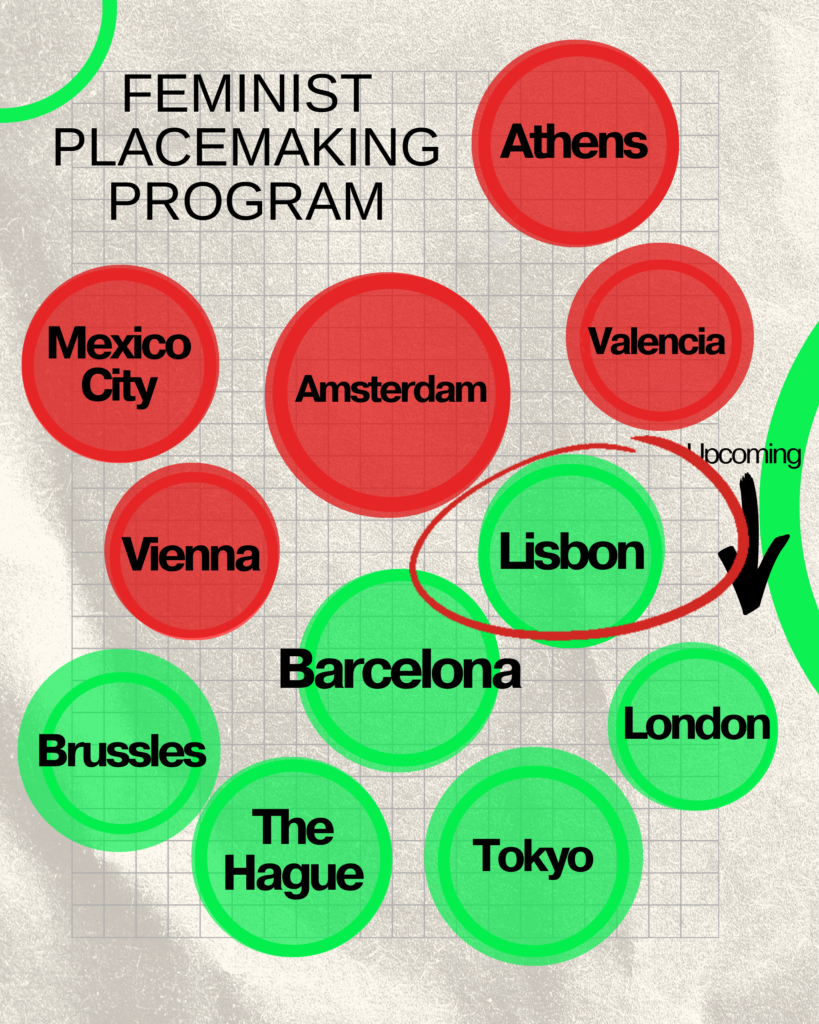
The Feminist Placemaking Academy
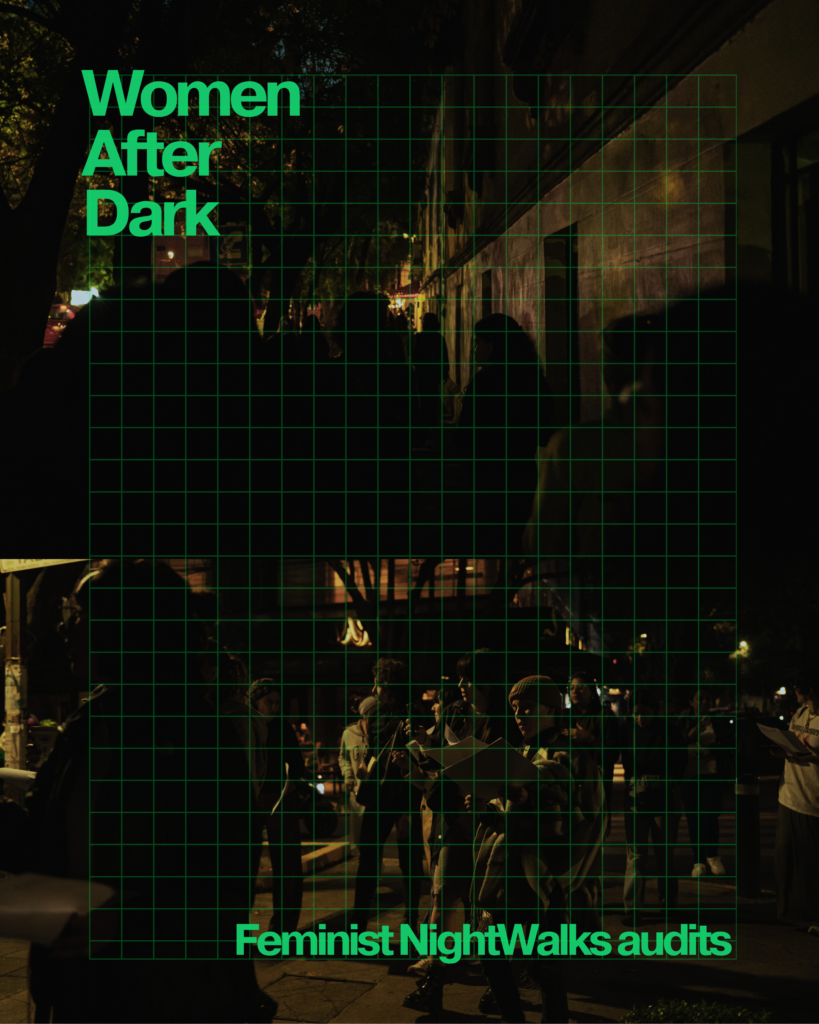
A certified learning programme bringing together planners, architects, researchers, policymakers, and city-makers to explore feminist urbanism in practice. Through feminist night audits, radical participation methods, urban walks, and our Feminist Placemaking 101 diploma, we use cities themselves as living classrooms. Recent editions in Vienna and Lisbon have shown how policy becomes place.
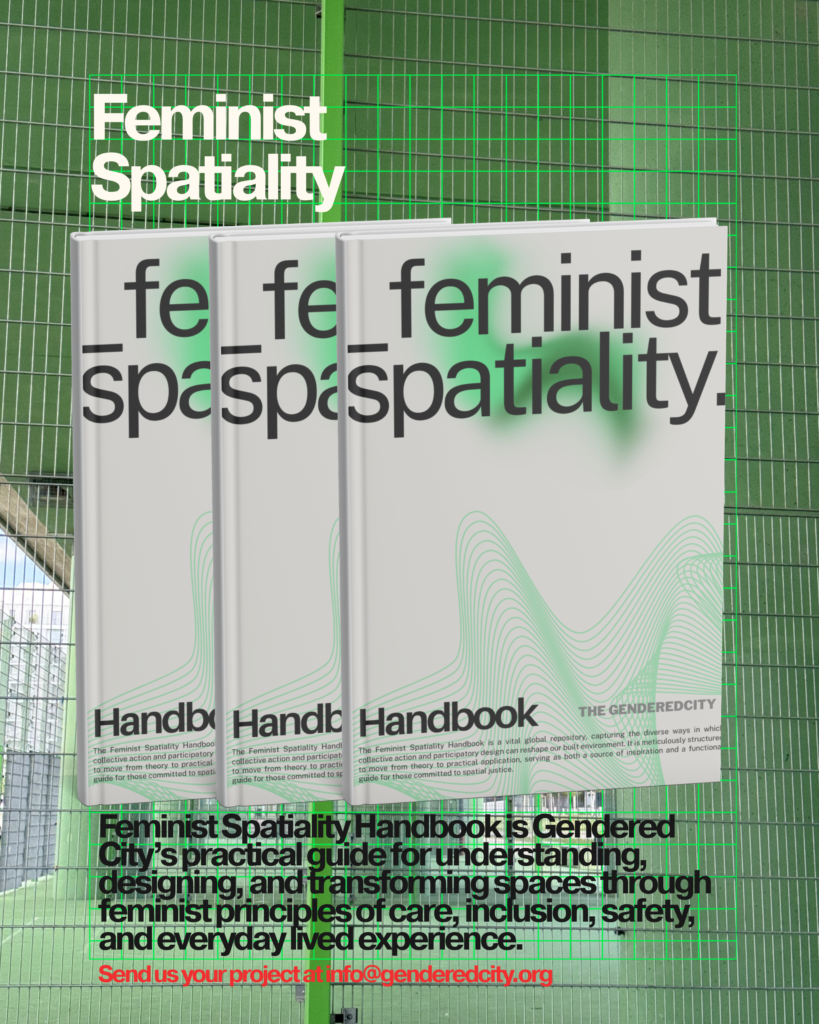
The Feminist Spatiality Handbook
A practical guide translating feminist urban theory into actionable tools for municipalities, practitioners, and communities. It helps move the conversation from awareness to implementation, because inclusion must be designed, not assumed.
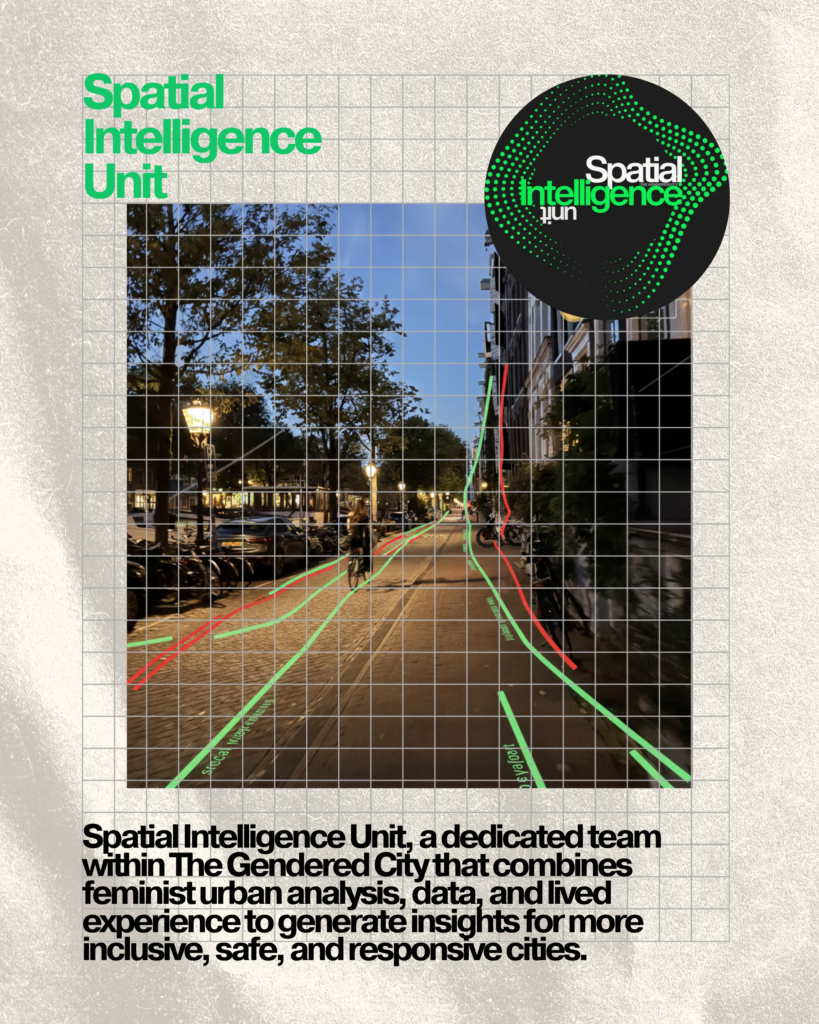
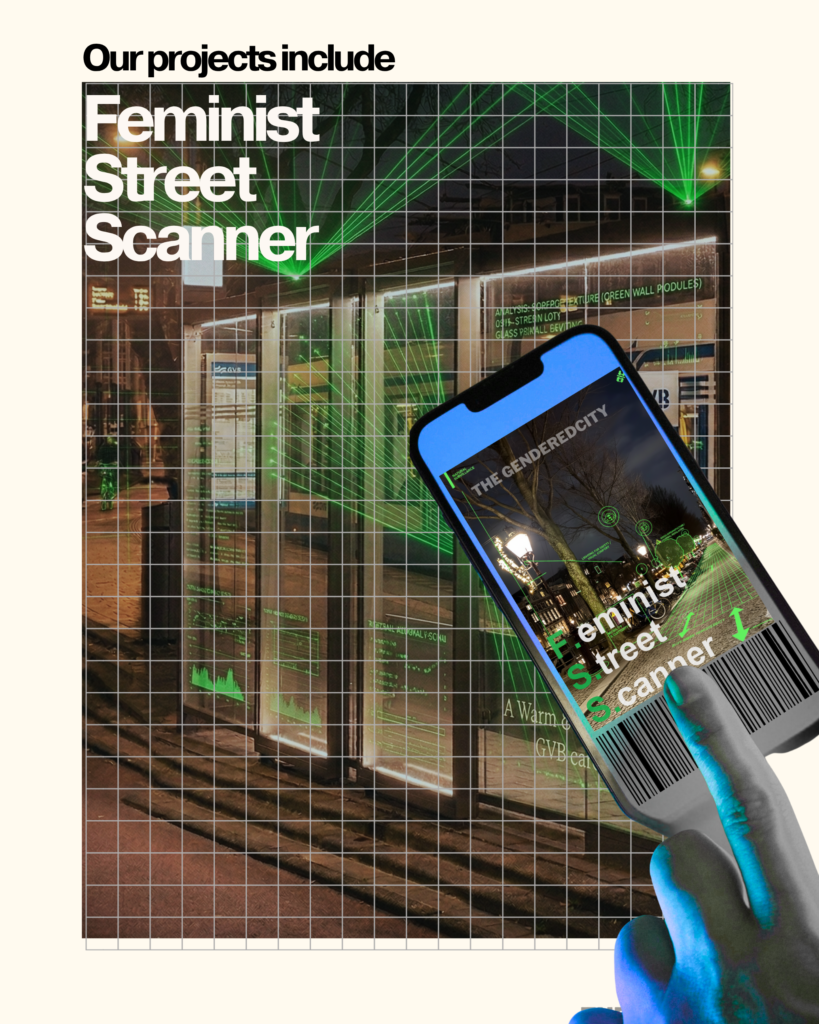
The Feminist Spatial Intelligence Unit
This is where research becomes application. Here, we are developing tools like the Feminist Street Scanner, a methodology for observing streets through the lens of safety, care, accessibility, mobility, comfort, and belonging. It helps identify the invisible barriers embedded in everyday urban design and turns them into measurable, actionable insights.
Feminist urbanism is not a niche.
It is better city-making.
It means understanding that care relies on infrastructure.
That safety is not surveillance, but belonging.
That participation is not consultation, but shared power.
We are open to exploring partnerships with organisations across different cities around the world, building stronger feminist urban practices together through collaboration, exchange, and applied work.
If this resonates with your work, we would love to connect.
📩 Reach us at: info@genderedcity.org
🌍 Learn more about our projects: www.genderedcity.org
Because the future of urbanism is not only smarter cities, it is fairer cities, it is feminist cities.