Cities are shaped by many hands – planners, architects, policymakers, organisations, and, most importantly, residents. The most vibrant, resilient, and meaningful urban environments do not emerge from top-down decisions alone, but from collective effort. Placemaking, at its core, is a shared process rooted in collaboration, care, sense of togetherness and long-term commitment. It truly takes a village to shape a city.
At a time when cities are growing rapidly and facing increasing development pressures, collaboration must go beyond consultation. It is not only about asking for opinions, but about creating real opportunities for people to take part in decision-making, to turn ideas into action, and to share responsibility for the spaces they inhabit. This is particularly evident in Wrocław, a city with a rich and layered history, where diverse communities have come together over time to shape its identity and continue to influence its development today.
The power of participation, co-creation and shared responsibility
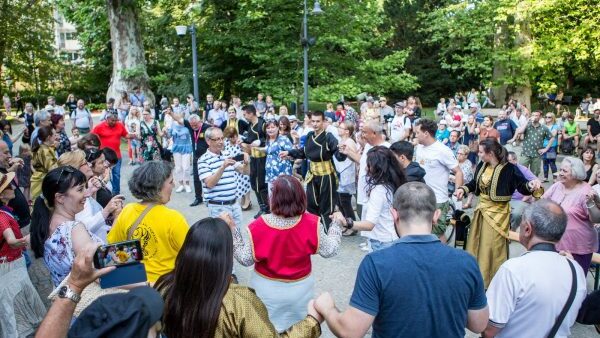
Co-creation expands the idea of participation. Rather than positioning residents as observers, it invites them to become active contributors to shaping their surroundings. It brings together municipal departments, cultural institutions, NGOs, private partners, and local communities, creating a framework in which decisions are made collectively and ideas are realised together. This shift – from participation to co-creation – transforms how cities function. It builds a sense of ownership and responsibility, encouraging people not only to use spaces, but to care for them. In this way, urban development becomes an ongoing, collaborative process rather than a one-time intervention.
Across Wrocław, this approach is visible in a range of initiatives that support civic engagement and neighbourhood-level activity. Local Activity Centres (Centra Aktywności Lokalnej) are a key part of this ecosystem. Twenty-six of them, spread across the city, they provide accessible spaces where residents can meet, organise initiatives, and develop community projects. These centres support the growth of civil society by enabling people to connect around shared interests, needs, and ideas or simply spend time together.
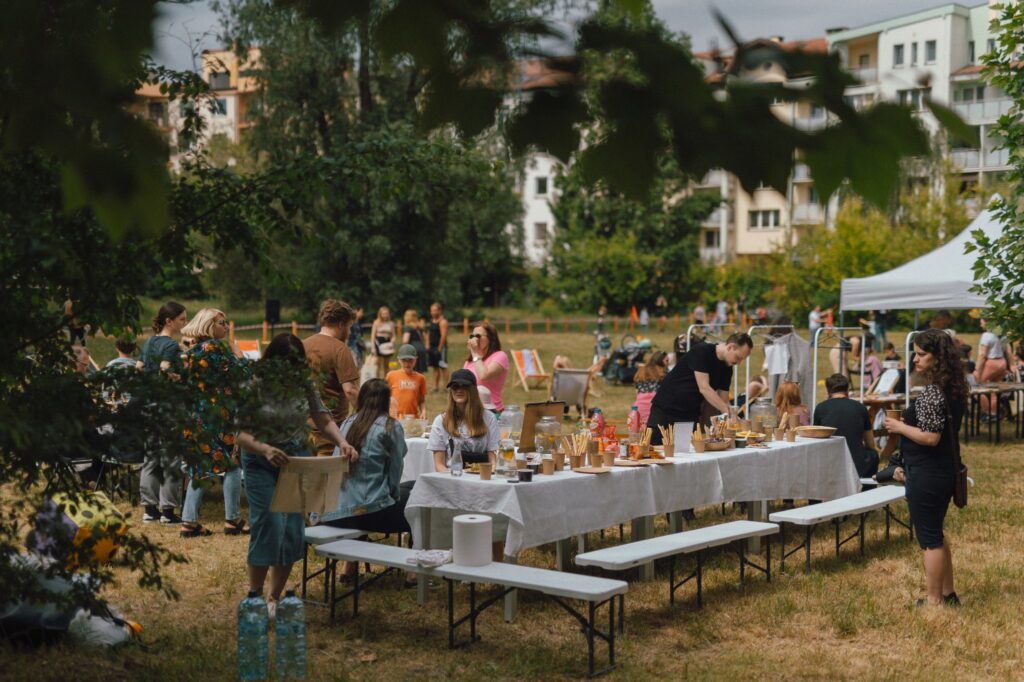
One example of such a place is the Plac Grunwaldzki OD NOWA Local Activity Centre, open and accessible to residents of all ages in the Plac Grunwaldzki neighbourhood. The centre supports grassroots initiatives, encourages interaction between neighbours, organises programmes, and engages individuals and groups who might otherwise feel excluded. Many of these centres also develop a specific focus. For instance, CAL Przedmieście Oławskie – Centrum na Przedmieściu places particular emphasis on youth engagement. This begins with something simple yet essential: providing young people with a space where they feel comfortable and welcome. As a result, part of the centre has been dedicated to a youth-led area – designed, organised, and used exclusively by young people, with no adults allowed.
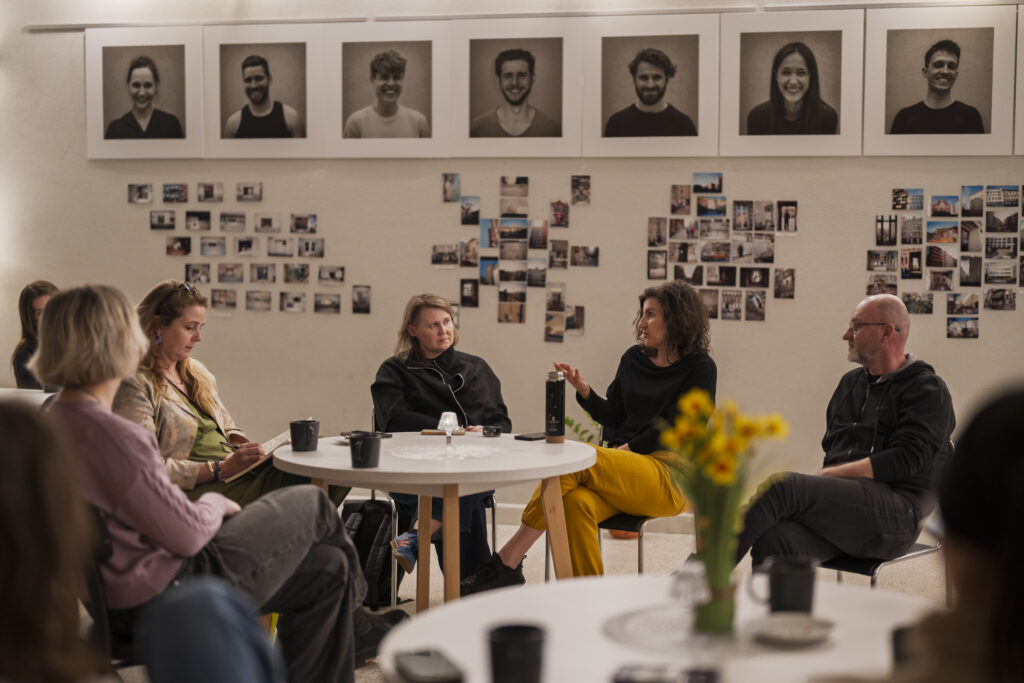
A culture of collaboration rooted in Wroclaw’s DNA
As thoroughly highlighted in previous blog posts, Wroclaw is a beautiful melting pot of history, its identity being shaped over centuries of change. The influx of culture that has gone in and out of the city shows how collaboration was needed to shape the city into the way that it is today. Co-creation is embedded into Wroclaw’s DNA as it was needed as a default; requiring different ways of working across different means of needs, partnerships and communities.
This legacy continues to influence how the city approaches development today. Co-creation is not simply a method, but part of a broader mindset – one that recognises that a city is strongest when shaped by diverse voices and shared effort. It is also rooted in the belief that everyone can be an active part of the city, with both the opportunity and the invitation to engage in shaping its future.
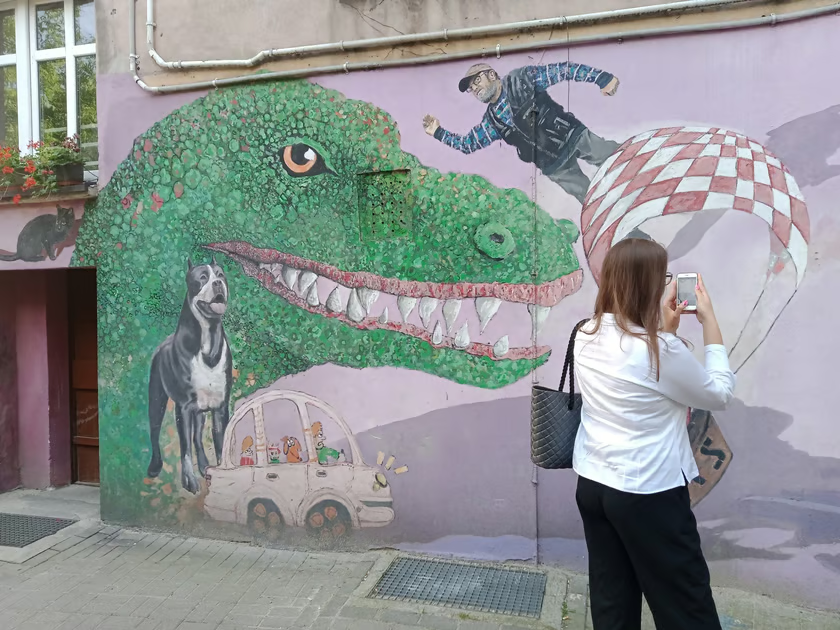
A clear example of this can be seen in the revitalisation of Nadodrze. Once considered a neglected neighbourhood, it was transformed through a combination of social action, cultural initiatives, and spatial improvements. Importantly, this process actively involved local residents, organisations, and artists, ensuring that change reflects the needs and aspirations of the community. Through this collaborative approach, Nadodrze evolved into a vibrant and creative district – demonstrating how co-creation can lead not only to physical transformation, but also to a stronger sense of local identity and pride.
Sharing is Caring
Urban courtyards are more than just spaces between buildings. They are important places of everyday neighbourhood life – places for meeting, play, rest and building relationships. That is why their renovation is not only about improving aesthetics, but also about creating welcoming, shared spaces that residents want to use together.
Revitalised courtyards can strengthen local community ties, encourage everyday interaction and foster a sense of responsibility for the immediate surroundings. It is in places like these that placemaking becomes especially visible in practice: a city is shaped not only through investment, but also through relationships, care and collective action.
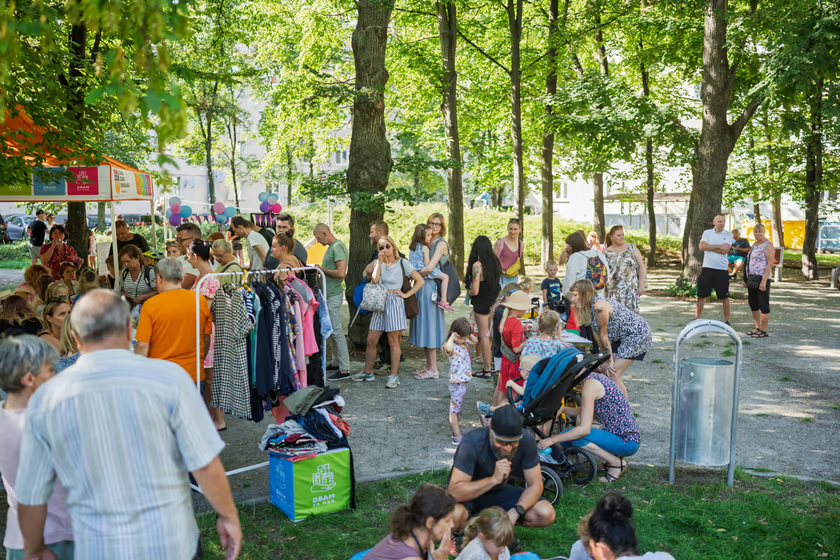
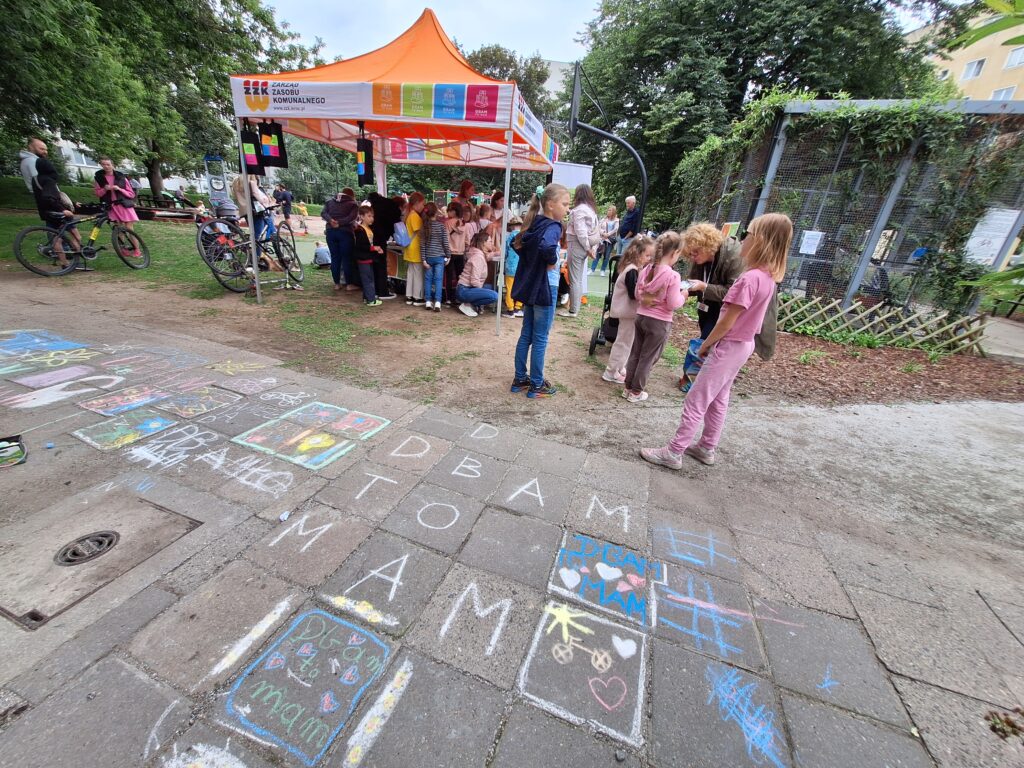
Collaboration, however, does not end when a project is completed. One of the key challenges of co-creation is sustaining engagement over the longer term. In Wrocław, this is supported by initiatives such as “Dbam to Mam”, which through educational and community-based activities in courtyards teach both children and adults to respect shared space and build a sense of responsibility for their own “small homeland.”
Such initiatives show that shared spaces are not “nobody’s responsibility,” but belong to everyone who uses them. Through education, engagement and the encouragement of everyday care, they help sustain the outcomes of co-creation. As a result, revitalised courtyards not only look better, but become places that genuinely serve the community — both today and in the longer term.
Through collaboration, residents build trust, improve communication and develop a sense of shared responsibility. These everyday local practices are what sustain the effects of co-creation and help ensure that public and semi-public spaces remain lively, welcoming and well cared for.
The theme of ‘It Takes a Village to Shape a City’ is more than a clever metaphor. It’s a call to rethink and reevaluate the importance and value of who is behind a city, and who the city is for. When collaborative processes become the norm, cities not only grow in size, but in connection, responsibility, and commitment.