Picture of Mara Arten for The Gendered City
The Feminist Placemaking Program is a global-first initiative designed to dismantle the “neutral” city and reconstruct it through a lens of equity, care, and joy. This program is grounded in collaboration, education, research and advocacy to move forward with feminist urban design into a global norm, created by The Gendered City, collaborating globally, depending on the project with organisations like PlacemakingX, Fundacion Placemaking, The Place Institute, and Equal Saree, and local organisations in each city, and we are open to expanding.
The Feminist Placemaking Program aims to bridge the gap between academic rigor and on-ground implementation, transforming critical feminist theory into a tangible, actionable urban practice. We see this as a long-term, mutual relationship, where we grow together, build knowledge, and contribute to more equitable cities worldwide.
If that sounds like you or your institution, we’d love to hear from you! 📩 info@genderedcity.org
The Four Pillars of Impact
The program operates at the intersection of four critical domains, ensuring that change is not just visible, but systemic:
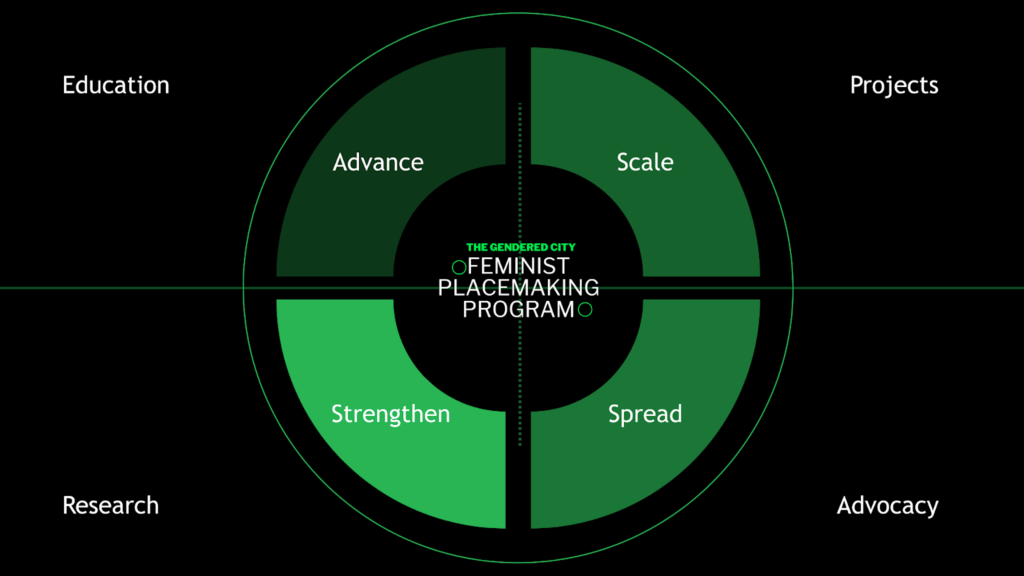
Diagram of The Gendered City
1. The Academy – Learning & Unlearning
The Feminist Placemaking Academy is a space for reflection, skill-sharing, and interdisciplinary learning. It brings together urbanists, designers, artists, activists, researchers, and community members.
What it includes:
- Feminist urban theory and histories
- Intersectional analysis of space and power
- Training in participatory methods (e.g., feminist walks, emotional mapping, storytelling)
- Care ethics and community-based design
- Workshops on gendered mobility, safety, visibility, and belonging
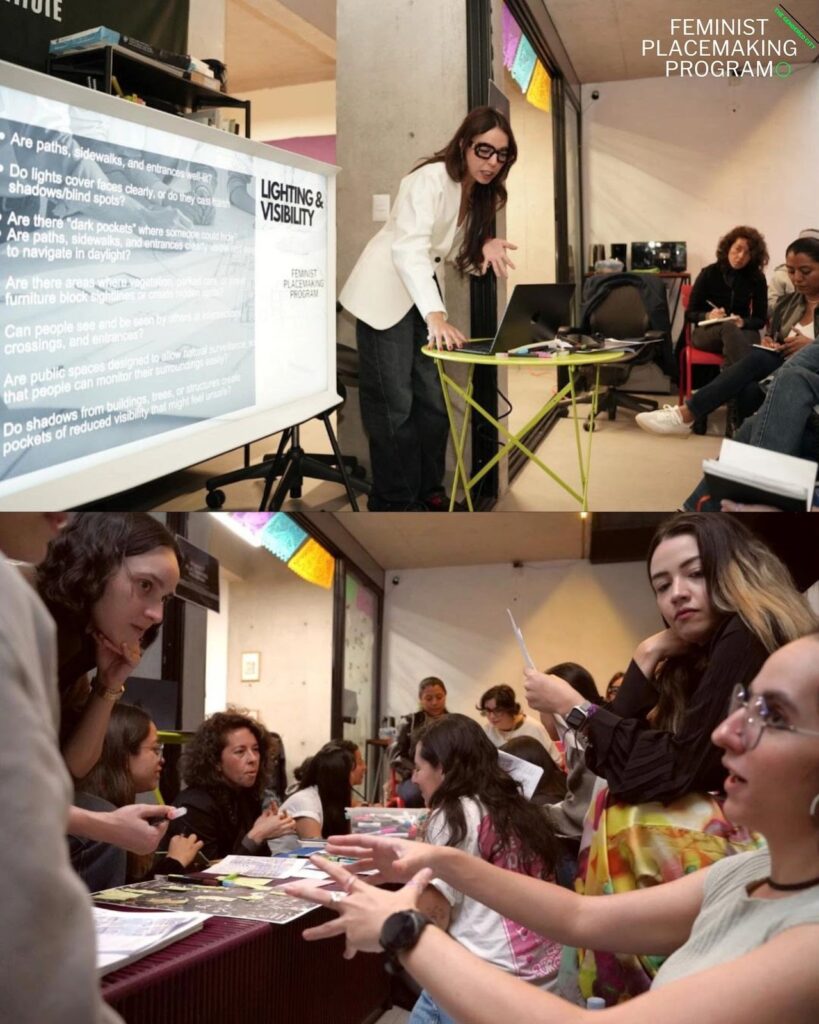
Picture of Mara Arten for The Gendered City
2. The Projects – Practice in Action
Projects are where feminist theory meets local realities. They are place-based, community-led, and context-specific interventions that translate feminist principles into spatial design and action.
Examples of feminist placemaking projects:
- Reclaiming unsafe or neglected public spaces through art, gathering, and redesign
- Creating safer pathways, rest areas, and inclusive signage in urban neighborhoods
- Co-designed pop-ups, installations, or “feminist corners” in the city
- Mapping exercises that make visible women’s and girls urban experiences
- Community archives or exhibitions centered on spatial memory and belonging
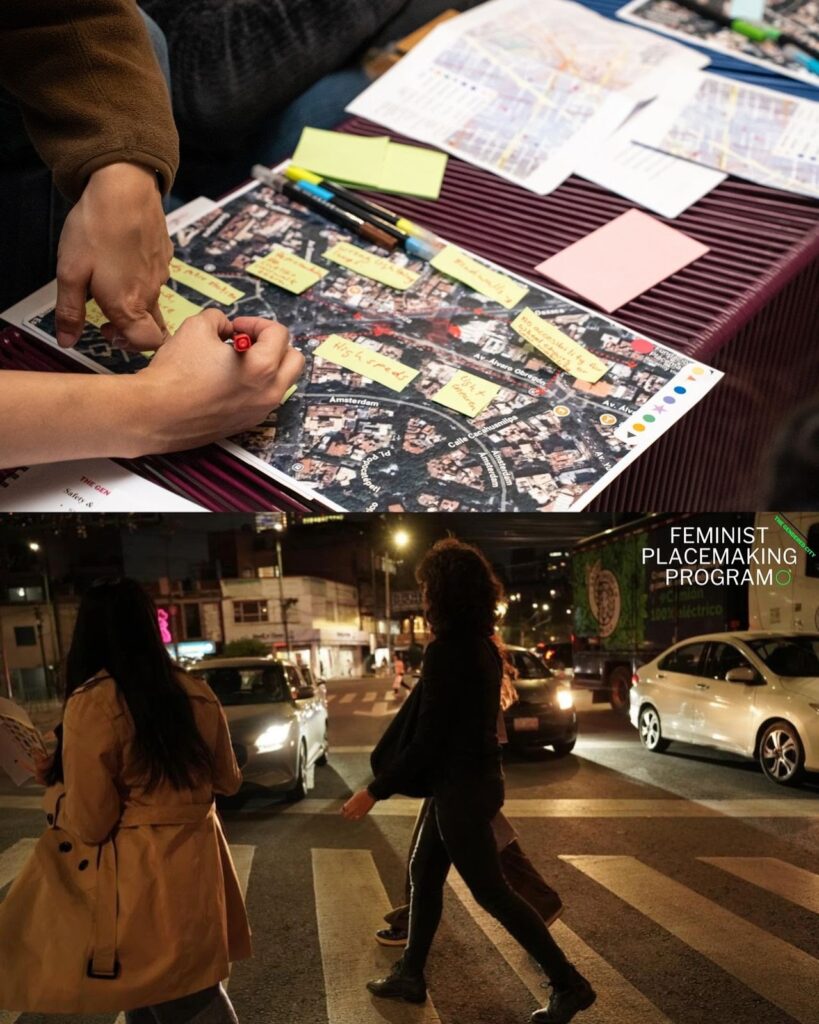
Picture of Mara Artega for The Gendered City
3. The Advocacy – Systems Change
Feminist placemaking is inherently political. Advocacy efforts aim to challenge and influence how cities are governed, who plans them, and whose needs are prioritized.
Advocacy components:
- Gender mainstreaming in urban policy
- Campaigns for equitable access to public services and infrastructure
- Policy briefs and dialogues with local governments and urban institutions
- Public programming, exhibitions, and urban forums
- Partnerships with feminist organizations, city planners, and academic institutions
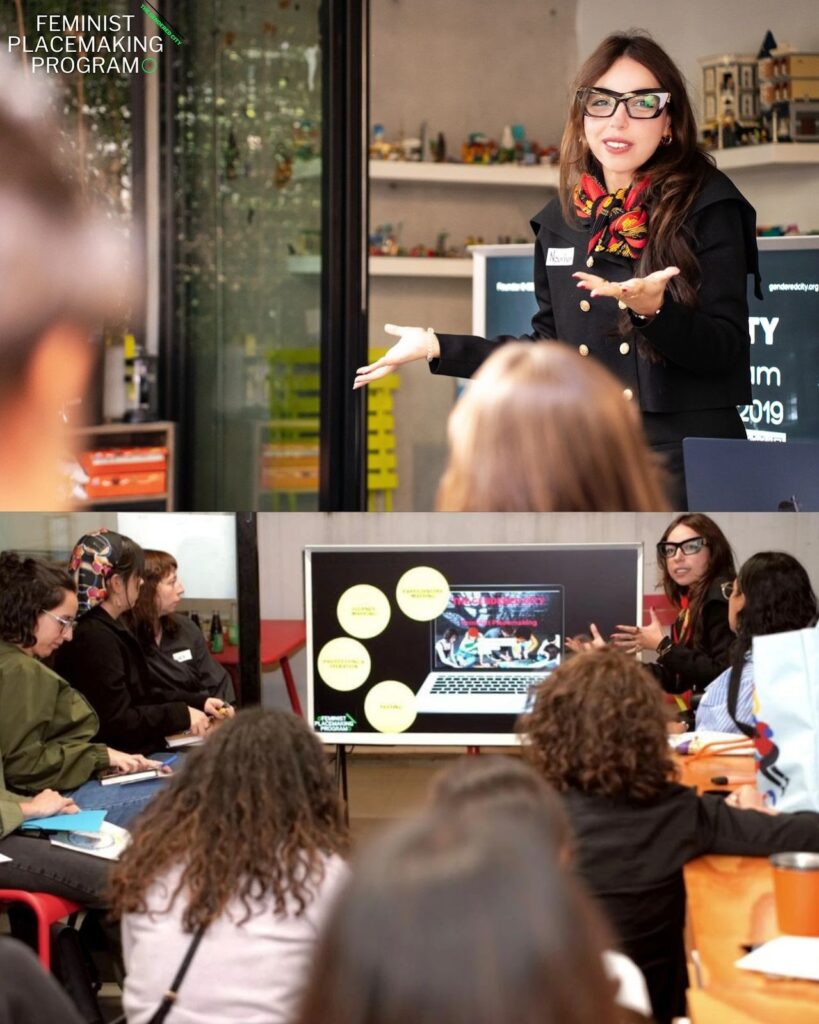
Picture of Mara Artega for The Gendered City
4. The Community – Network and Solidarity
It is about building a community of feminist spatial practitioners and allies across geographies and disciplines. It’s about long-term, trust-based collaboration and mutual support, with the support of our FEM.DES network.
What the community does:
- Peer-to-peer exchange and solidarity across cities and countries
- Regional working groups and local chapters
- Collaborative toolkits, zines, and storytelling platforms
- Events, festivals, and walkshops that foster relationships in space
- Intergenerational dialogue and mentorship
Thematic Alignment
- Strong grounding in feminist theory, urban design, and/or spatial justice.
- A track record of working on gender-inclusive urban development, care infrastructure, mobility justice, safety, and accessibility in cities.
- Interest in bridging theory and practice through teaching, toolkits, walkshops, or grassroots action.
Collaborative Spirit
- Willingness to contribute to the co-creation of educational materials, methodologies, or toolkits.
- Openness to peer learning, cross-regional exchange, and growing a shared knowledge base with others across the network.
- Passion for amplifying marginalized voices in city-making and reimagining public space through collective feminist practice.
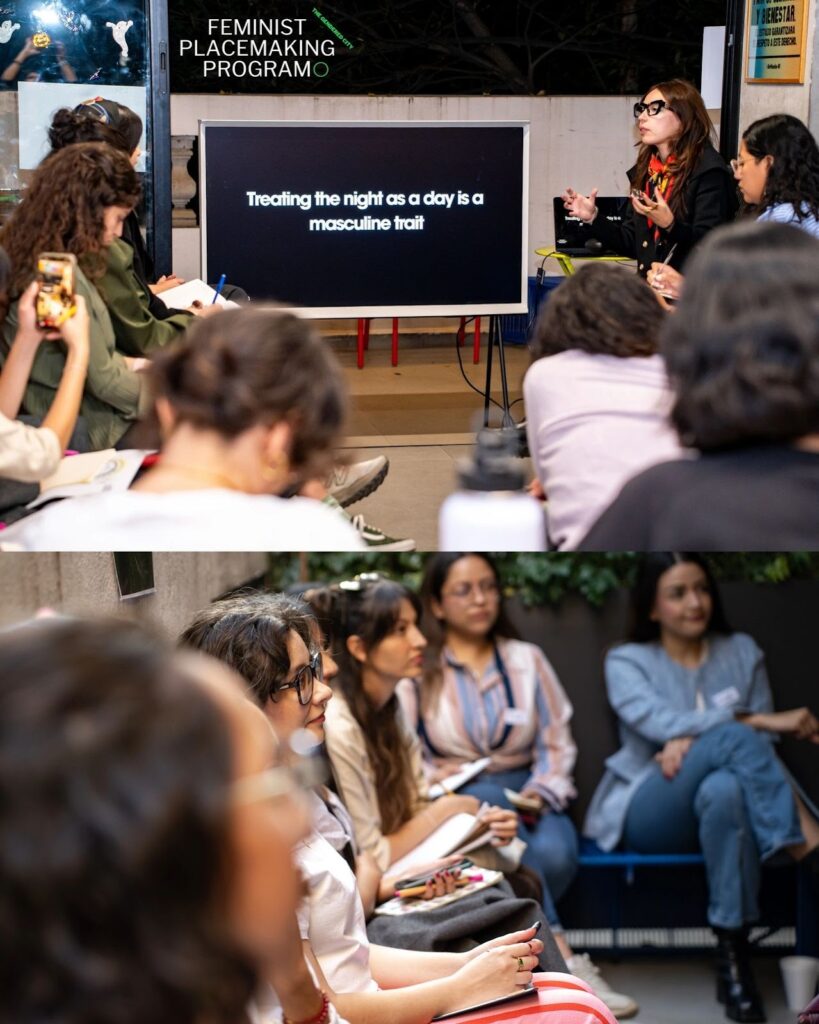
Picture of Mara Artega for The Gendered City
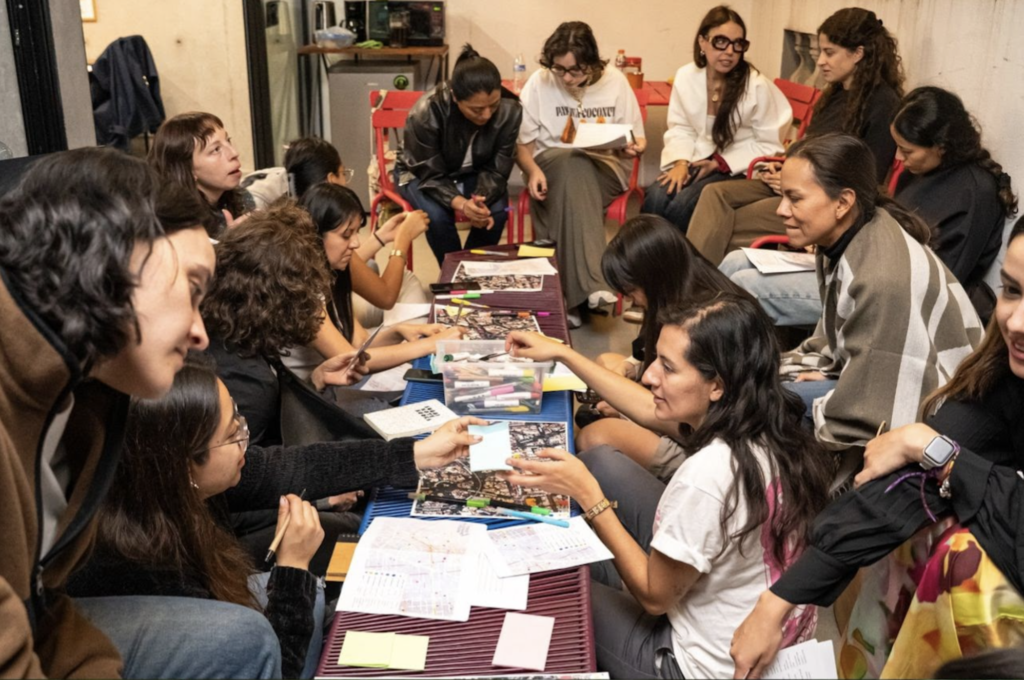
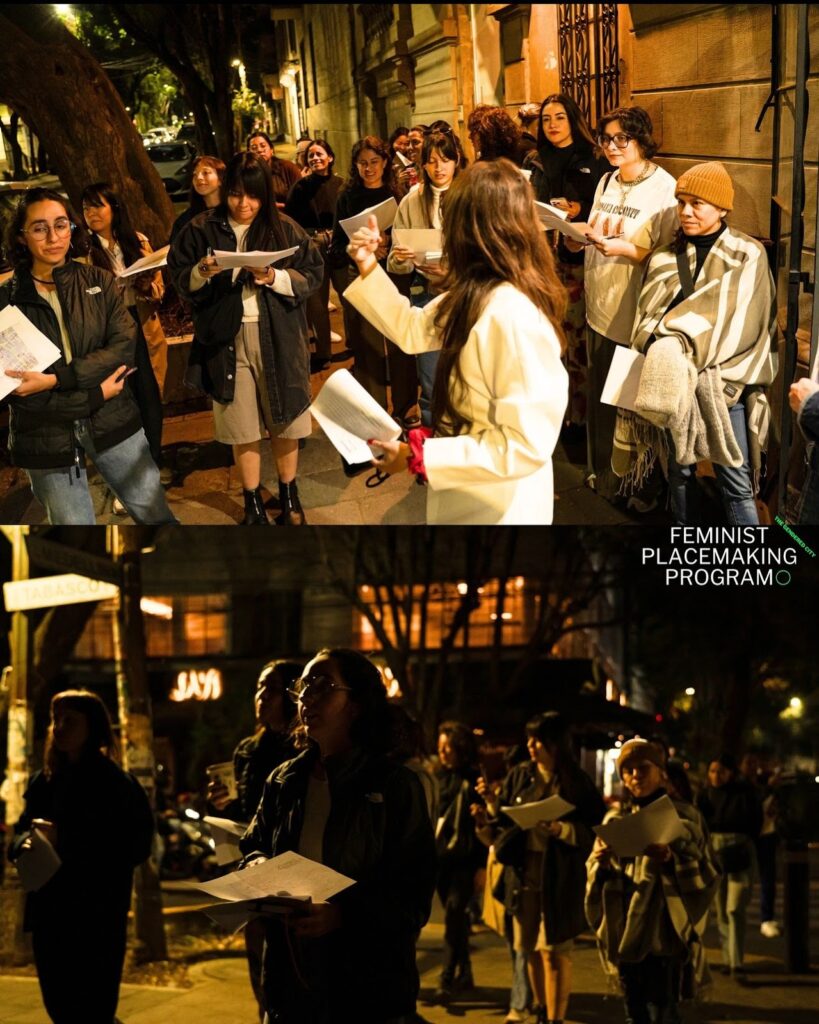
The Feminist Placemaking Academy is one of the main pillars of the program has officially launched in October 2025, and our kickoff in Mexico City was nothing short of a masterclass of “Feminist Spatial Practice” as shown in these pictures. From the dense urban arteries of the capital to the unique challenges of rural placemaking across Mexico, we explored how the “Gender Lens” transforms our understanding of space, power, and safety.
This launch was a testament to our mission: using Education to advance the professional field of urban design and Research to strengthen the evidence for gender-equal cities. The Academy is the first of its kind, merging Knowledge, Advocacy, On-ground Projects, and Policy. We don’t just discuss the “neutral” city; we dismantle it through walks, conversations, and audits. Next Amsterdam, and keep an eye out for tickets on our Linkedin Page, Instgram and website for the coming cities.
The Global Tour is coming close to your city, if you are willing to host or collaborate, send us a line of interest at info@genderedcity.org, or Sanne@genderedcity.org . We are moving from theory to on-ground action, bringing the Feminist Placemaking Diagram to cities across the globe to help local leaders scale their impact.
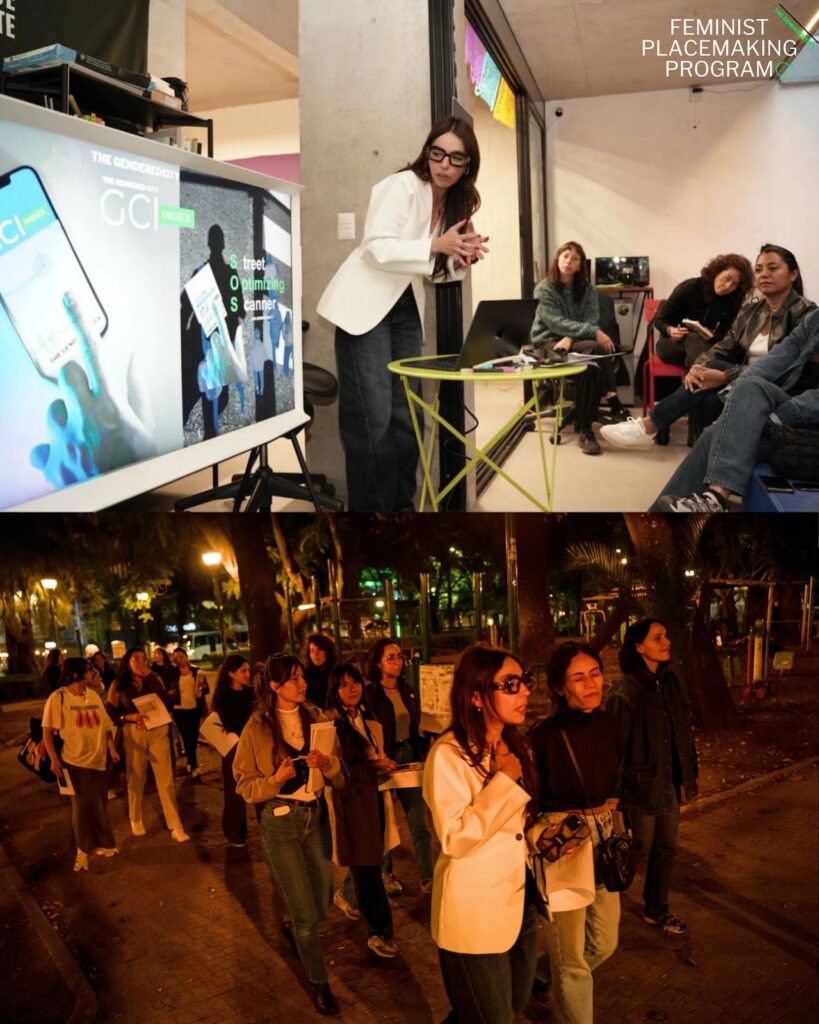
Picture of Mara Artega for The Gendered City
The 2026 Academy Global Tour
ATHENS, GREECE – January 21–22, 2026 – SOLD OUT
AMSTERDAM, NL – February 9–10, 2026 – TICKETS
BARCELONA & VIENNA – March 2026 – Coming Soon.
MILAN & BOLOGNA – April 2026 – Coming Soon.
BRUSSELS – June 2026 – Coming Soon.
TOKYO & LONDON – July 2026 – Coming Soon
In the academy we are tackling areas that we work with at The Gendered City, some of the topics we delve into include
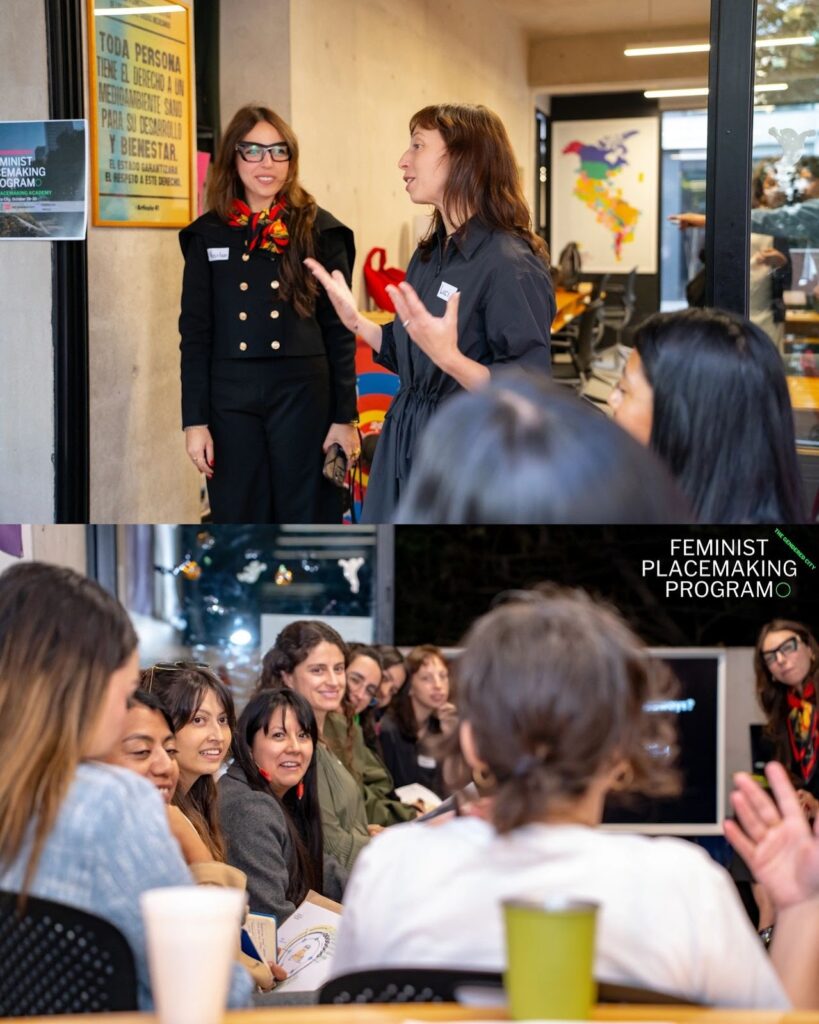
Picture of Mara Artega for The Gendered City
1. Radical Participation & Collective Agency
- Rethinking who participates in shaping cities and on whose terms.
- Tools for inclusion beyond tokenism, listening as design.
- How to engage women and the vulnerable in decision-making processes.
- Feminist governance in public space design: care, empathy, and shared authority.
2. Feminist Safety and the Night
- Beyond lighting: what safety means through a feminist lens.
- Embodied experiences of fear, freedom, and visibility in urban spaces.
- The politics of “Not All Light Is Safe” explores light, darkness, and visibility.
- Designing inclusive nightscapes: from night workers to nightlife culture.
3. Placemaking as Care
- Feminist approaches to maintenance, repair, and care economies in urban life.
- Urban design as an act of relational care, not extraction.
- Designing with tenderness: the invisible labor behind placemaking.
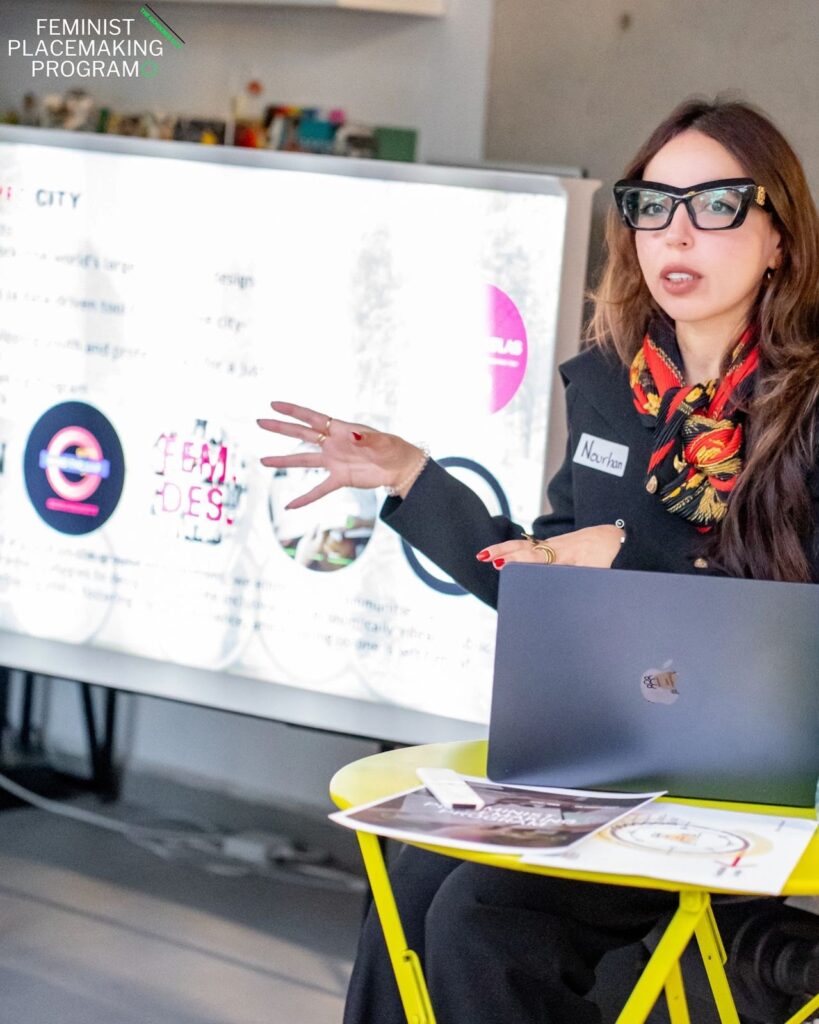
Picture of Mara Artega for The Gendered City
4. Spatial Justice and Intersectionality
- Connecting gender, class, race, and disability in the design of public space.
- Decolonial and feminist approaches to urban transformation in Latin America.
- Spatial reparations and the right to belong.
5. Feminist Infrastructure and Everyday Design
- The politics of infrastructure, water, waste, and transport through a gendered lens.
- Rethinking mobility: who moves, how, and where safety and accessibility intersect.
- Feminist data and mapping: the FEM. Urban Atlas as a collective tool.
6. Rural–Urban Feminist Futures
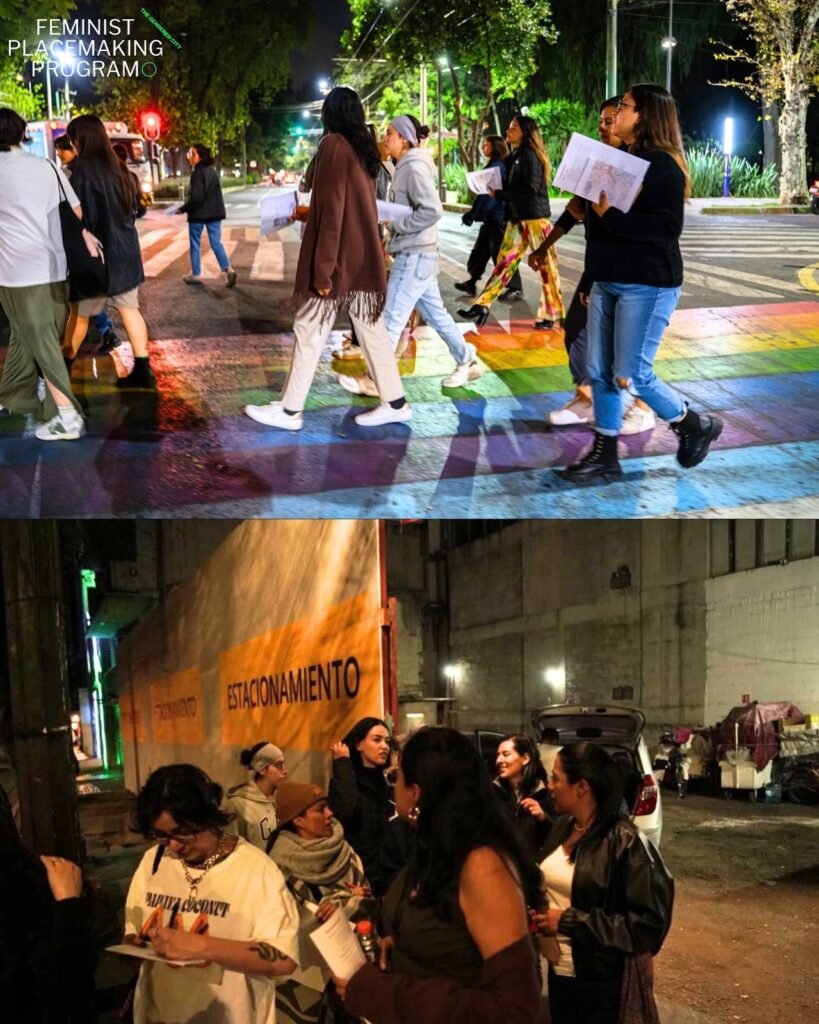
Picture of Mara Artega for The Gendered City
7. Artistic and Creative Interventions
- Art as spatial activism, murals, performance, and collective storytelling.
- Feminist cartography and visual representation as a tool for change.
- The role of artists and designers in co-creating feminist narratives of place.
8. Methodologies and Tools for Feminist Placemaking
- The Feminist Placemaking Diagram, mapping care, agency, and resistance.
- How to translate feminist theory into practical, community-led design tools.
- Measuring impact: redefining success beyond economic value.
Picture of Mara Artega for The Gendered City
Segments of this text have been adapted from the The Gendered City Feminist Placemaking Article.